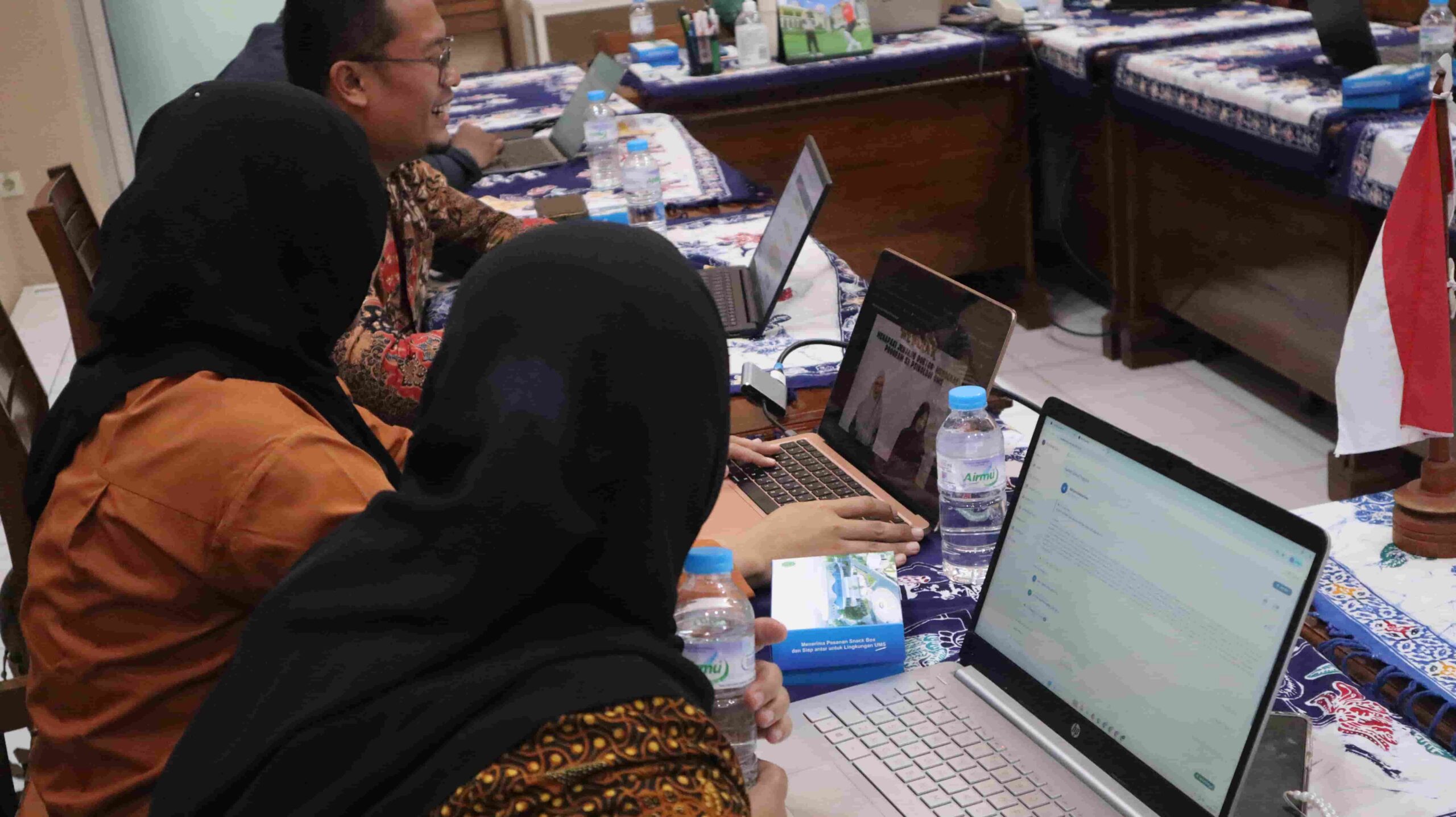
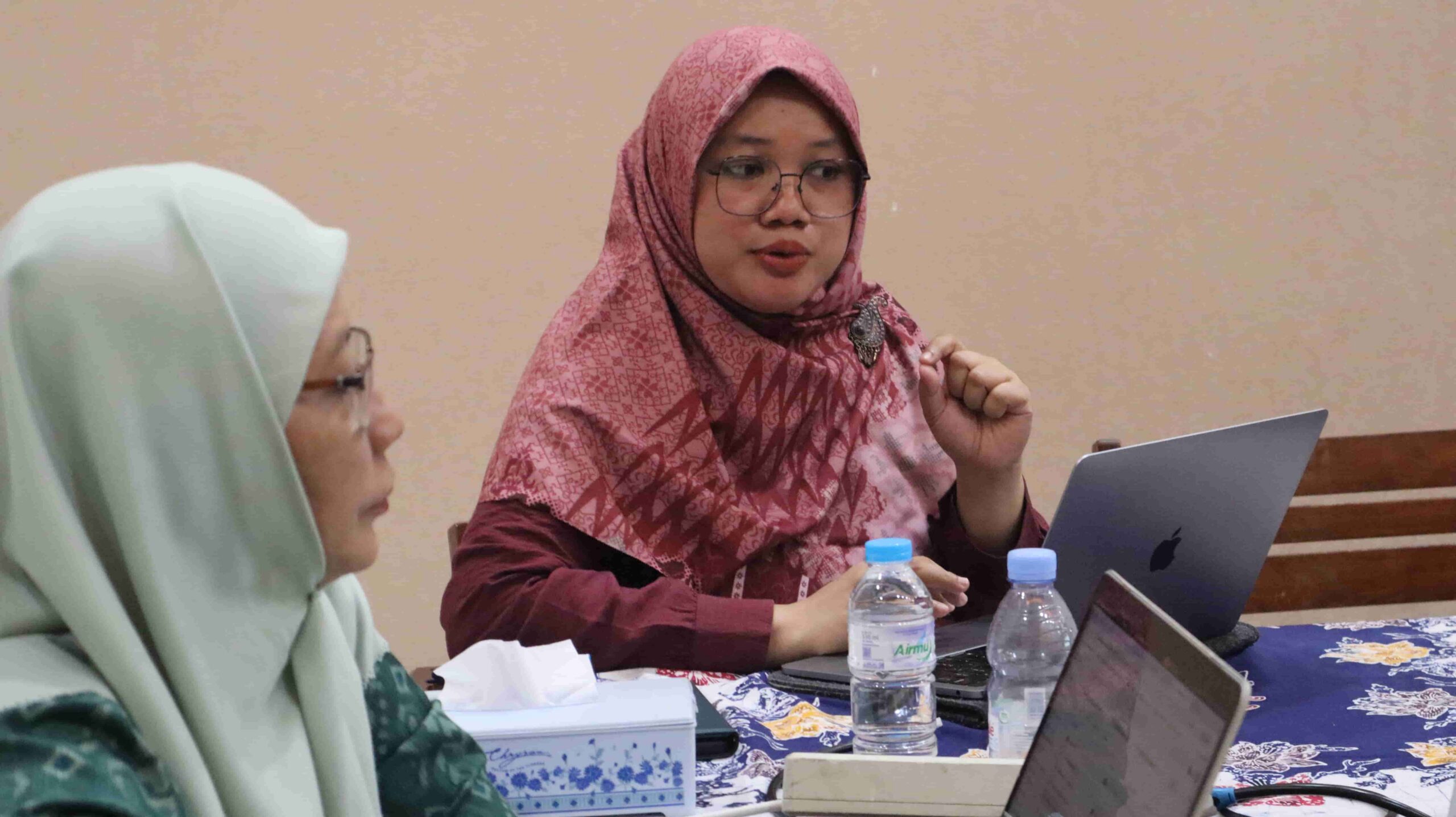
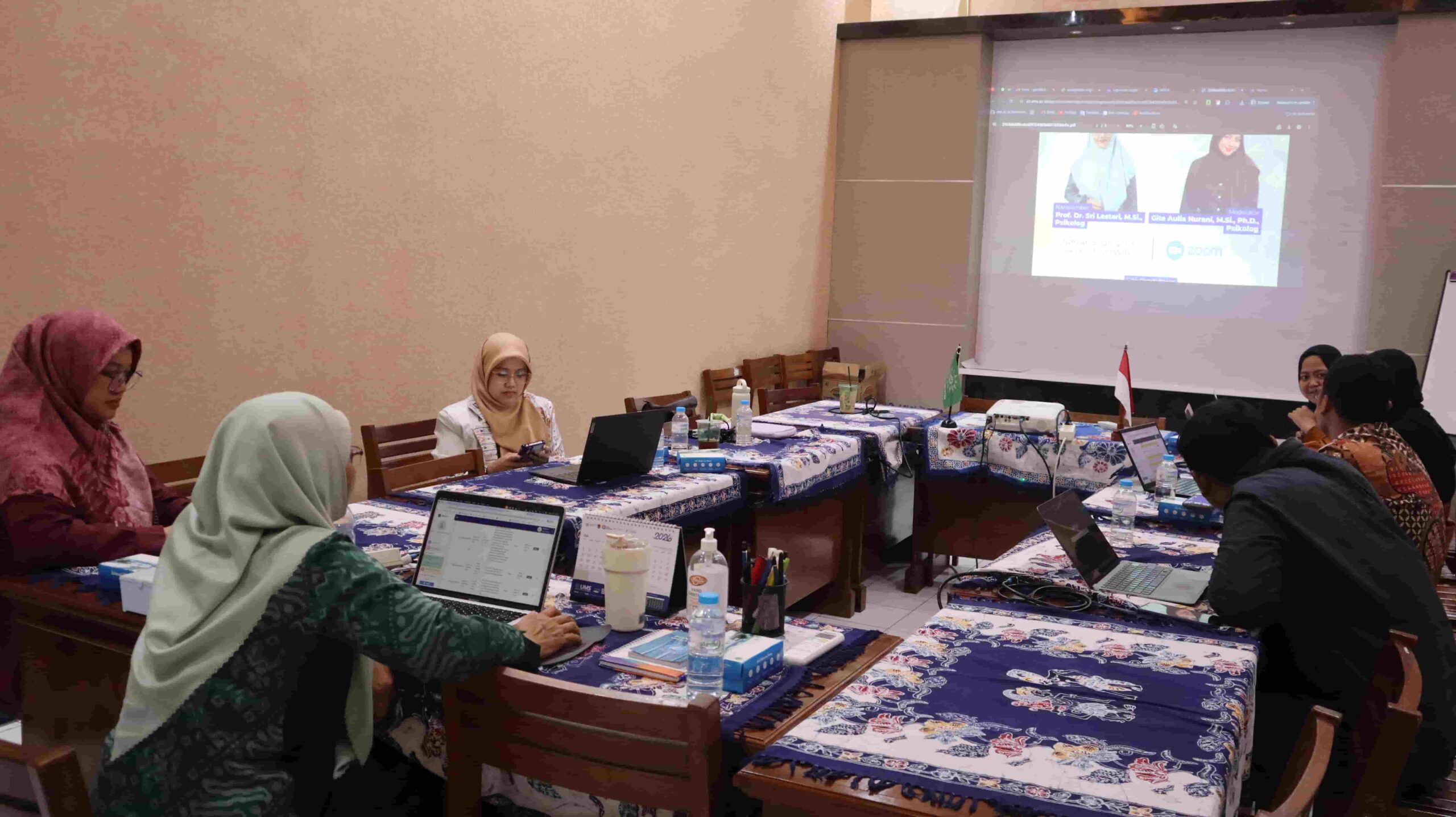
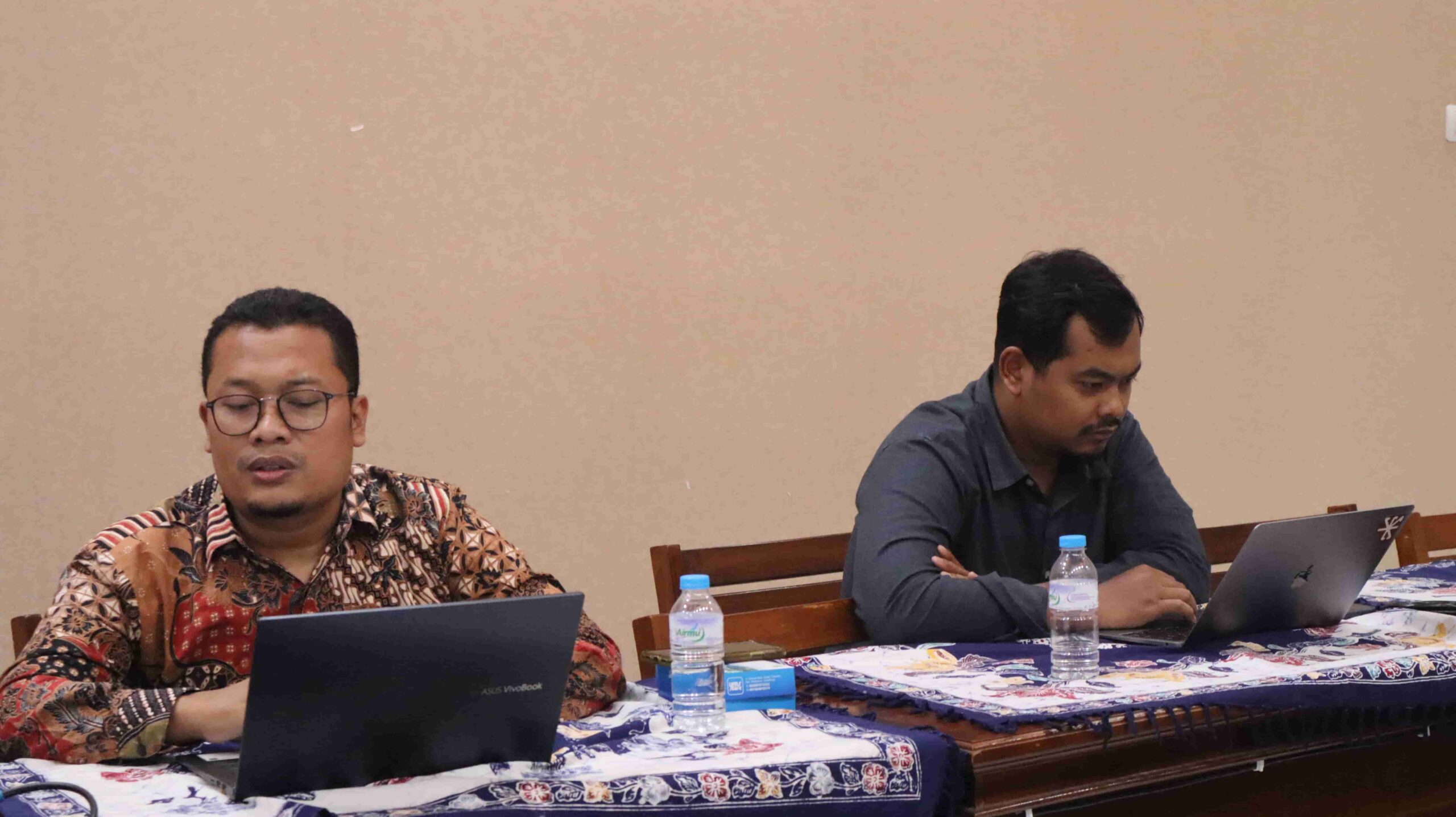
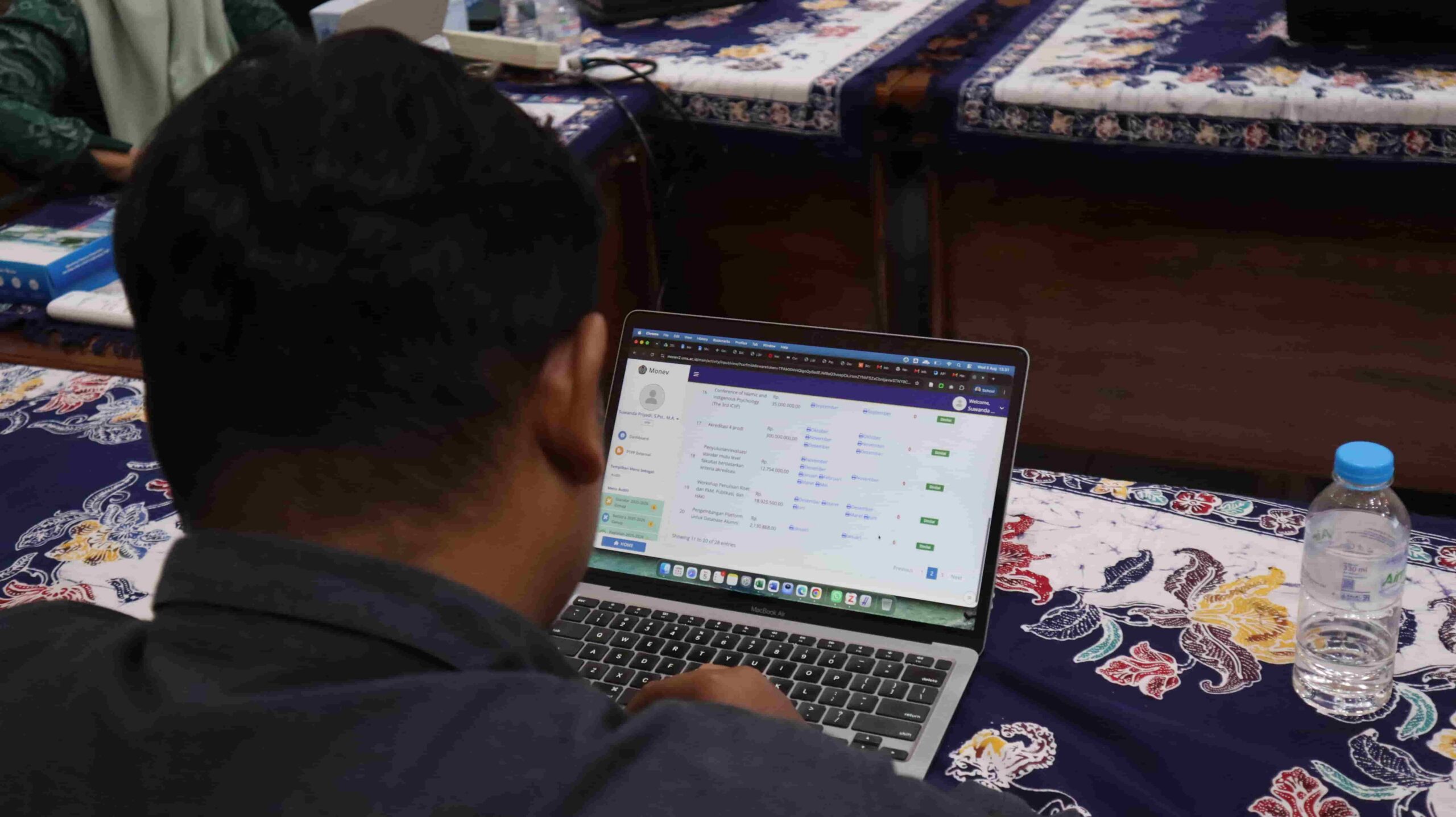
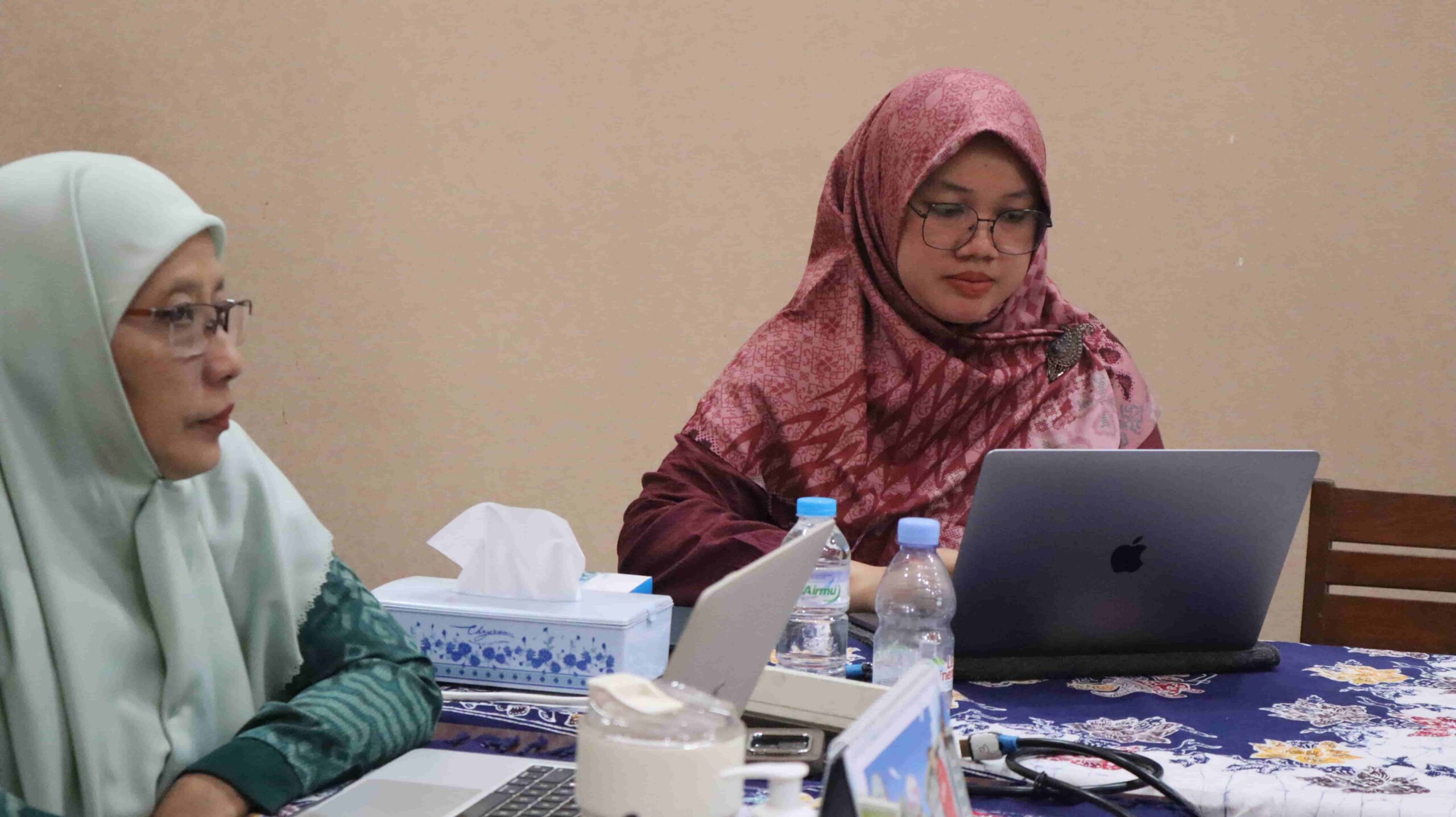
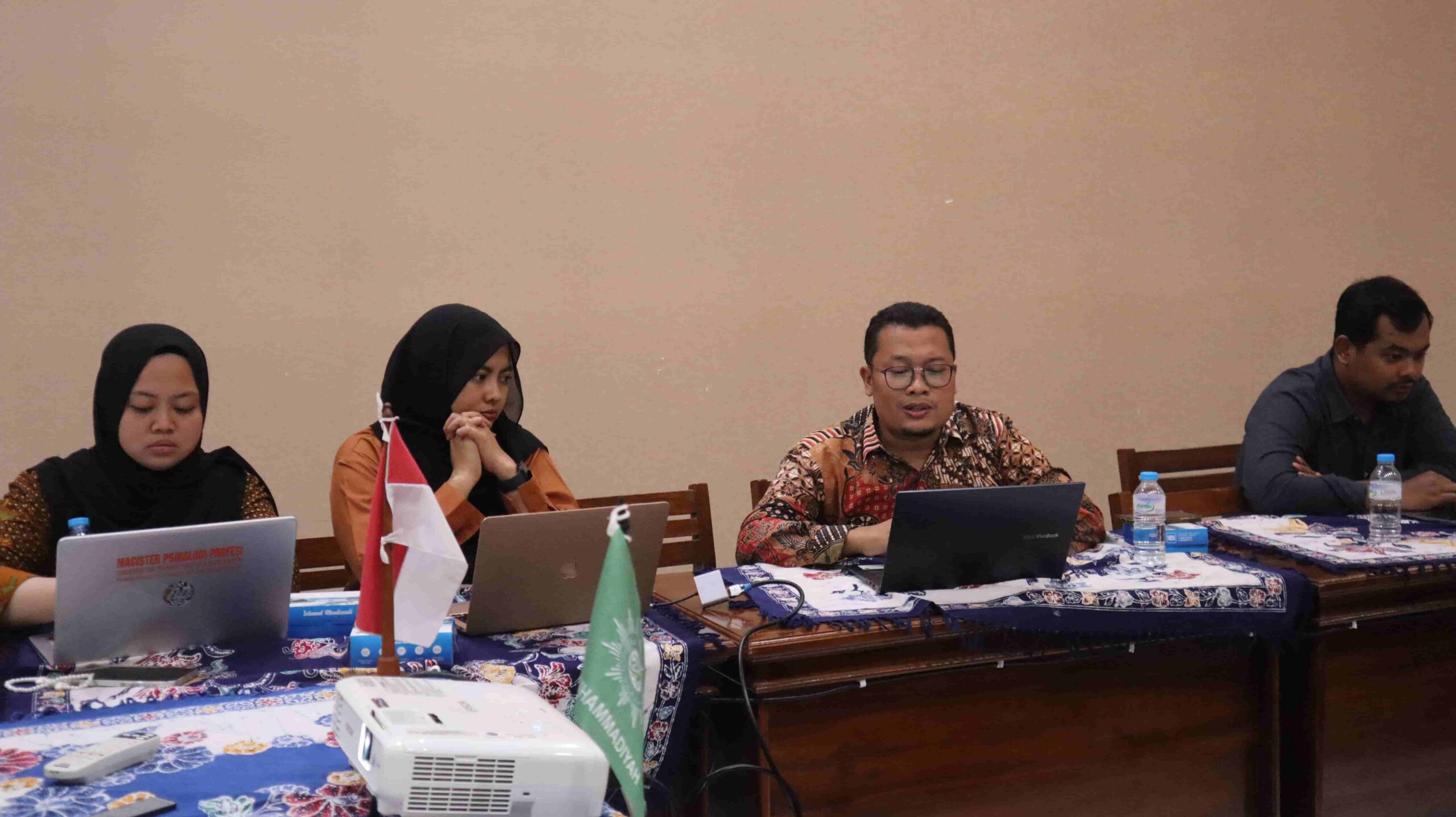
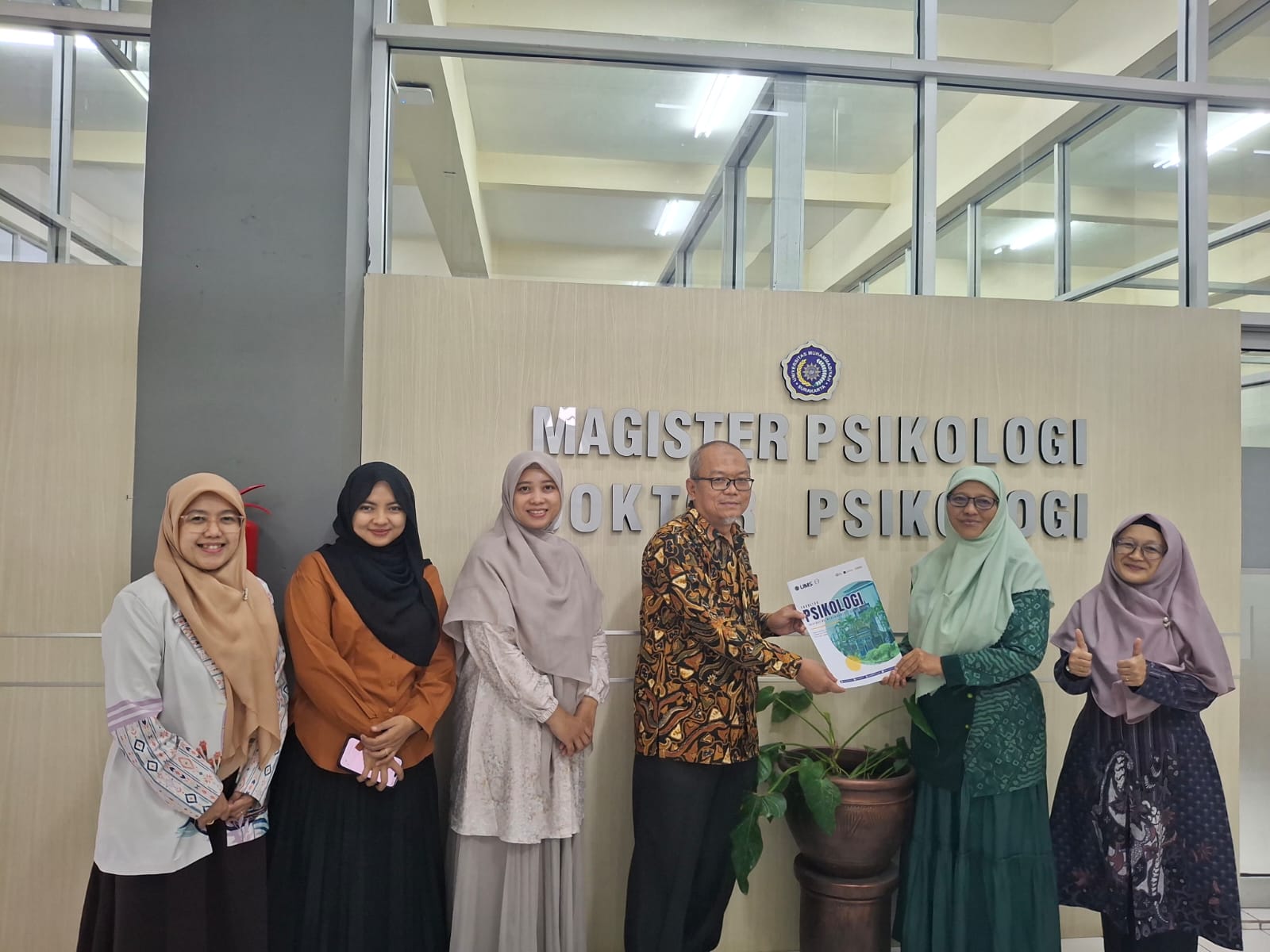
Surakarta, 5 August 2026 – The Doctoral Programme in Psychology at Universitas Muhammadiyah Surakarta (UMS) has once again demonstrated its commitment to upholding the quality of higher education. The Internal Quality Audit (AMI) for the year-end evaluation of the 2025/2026 Even Semester took place in the Meeting Room, 1st Floor, UMS Faculty of Psychology, on Wednesday (5/8).
The session was led by two internal auditors, Dr Laili Etika Rahmawati, S.Pd., M.Pd. and Dr Muh. Nur Rochim Maksum, S.Pd.I., M.Pd.I. The forum was also attended by the management team of the UMS Doctoral Programme in Psychology, faculty leadership—including the Quality Assurance Group—and representatives from the Quality Assurance Unit (UPM).
This round of the audit produced a number of achievements worth highlighting in terms of the programme’s activities and curriculum quality. In the Research Outcomes Standard area, the auditors recorded a score of 2.96 out of 4.0, placing it in the “fairly good” category.
The programme’s real strength, however, lies in the qualifications of its academic staff and their research track record. All (100%) of the Ratio-Counted Lecturers (DPR) in the UMS Doctoral Psychology Programme now hold doctoral degrees, four of whom are full Professors. Staff research productivity is similarly impressive: the average SINTA score stands at 362, citations of published work have reached 274, and the rate of publication in reputable international journals has exceeded the university’s own targets.
A Focus on Continuous Improvement
Despite these positive achievements, the audit continues to function as a tool for ongoing improvement. The audit team issued several evaluation notes, comprising one (1) Major finding, two (2) Observation findings, and six (6) Minor Non-conformities, which now form an action list for the programme’s management ahead of the next audit. Key points requiring improvement include:
- Curriculum and Digital Learning: Preparing a Programme Educational Objectives (PEO) document and making full use of the Spada LMS for assessing and measuring Graduate Learning Outcomes (CPL).
- Accelerating Students’ Time to Completion: Supporting first-cohort students to complete their studies on schedule, starting in 2026.
- Developing Lecturer Capacity: Facilitating a faster path for lecturers to reach the rank of Senior Lecturer (Lektor Kepala), alongside training in producing interactive learning videos.
- Strengthening International Research: Providing additional resource support to boost both the quantity and quality of research and publications arising from international collaboration.
- Promotion and Activity Effectiveness: Increasing the budget allocated to promoting new student admissions (PMB), while reorganising the RPPS activity schedule to run more effectively.
- Monitoring, Evaluation and Governance Transparency: Developing a regular monitoring and evaluation (Monev) instrument for student services, and publishing the results on the programme’s official website.
In response to these notes, the UMS Doctoral Psychology Programme has reaffirmed its commitment to carrying out comprehensive improvements without delay. These improvements will focus on strengthening the curriculum measurement system within the Programme Educational Objectives (PEO) instrument, accelerating lecturers’ progression to Senior Lecturer rank, and providing training in producing interactive learning videos.
The audit is intended to serve not merely as an administrative formality, but as a spur to keep improving the areas that still require refinement, in order to deliver excellent educational services.
Stakeholders and prospective students can access the latest updates on academic developments via the official website of the UMS Doctoral Psychology Programme.
With this round of the Internal Quality Audit now complete, the UMS Doctoral Psychology Programme remains confident it can continue to strengthen its position as a centre for doctoral education in psychology, with a specialisation in Islamic and Indigenous Psychology, in line with the vision of the UMS Faculty of Psychology.