Year-End Internal Quality Audit for the Even Semester 2025/2026 – Professional Psychologist Education Study Programme
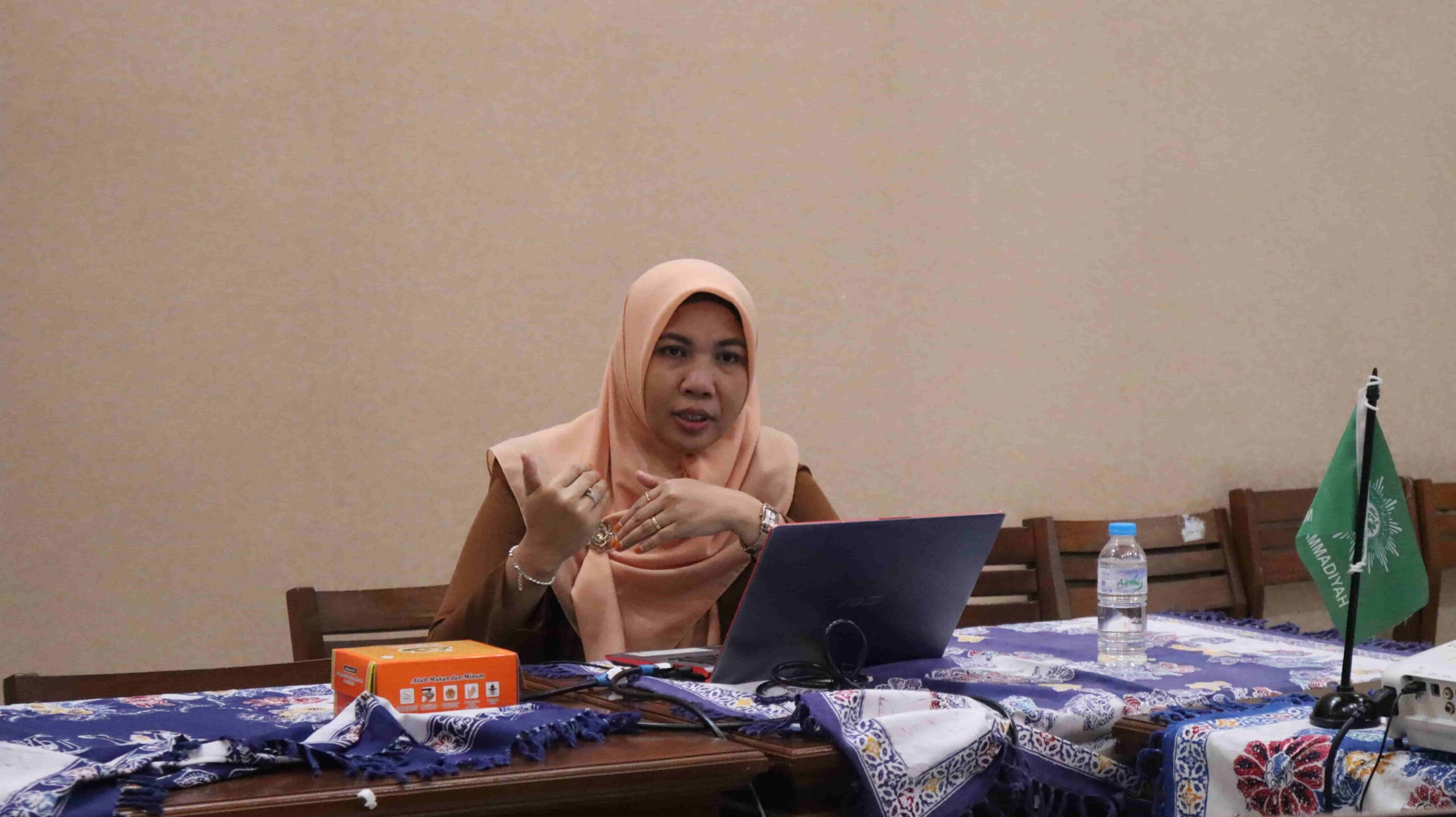
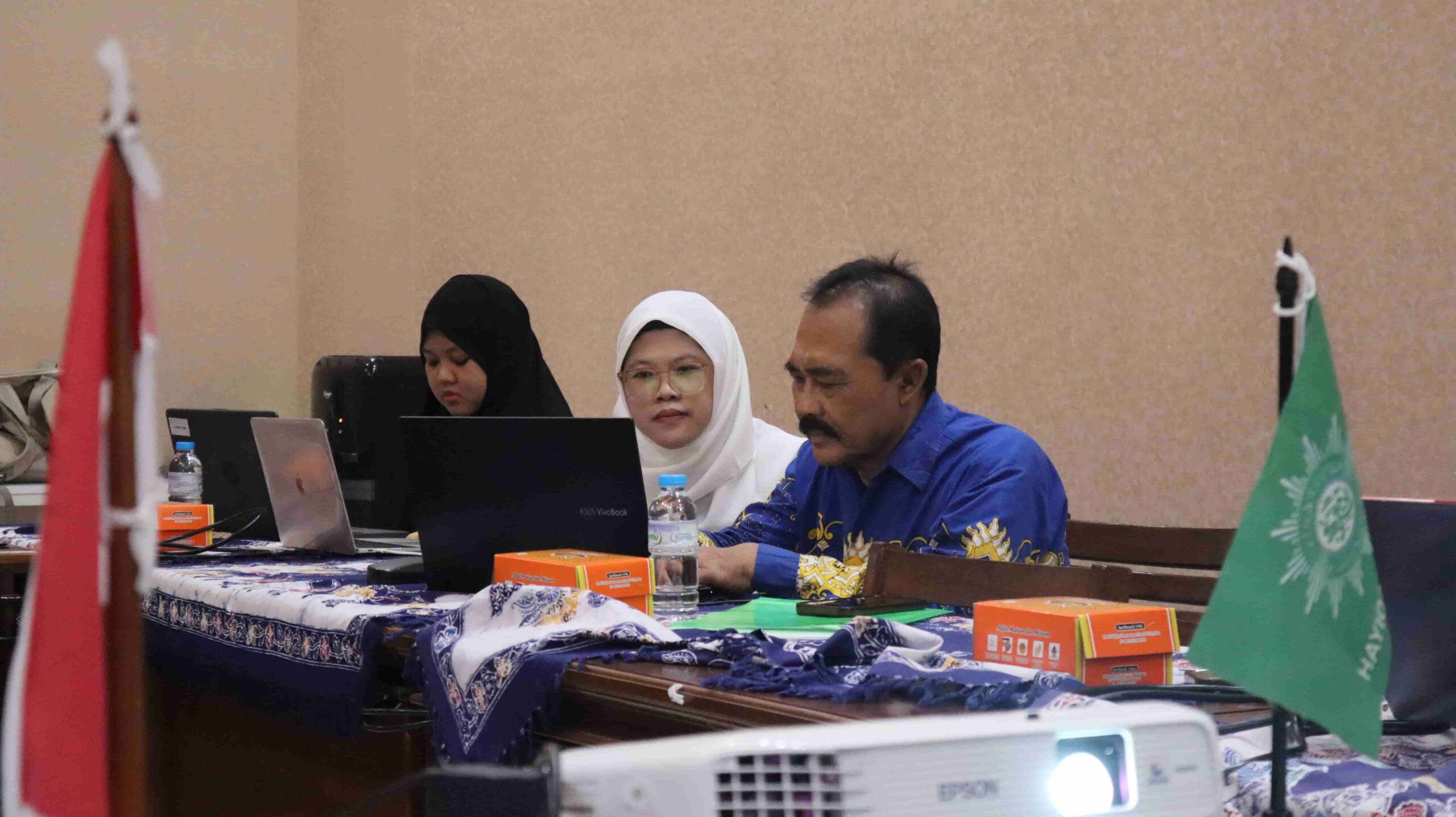
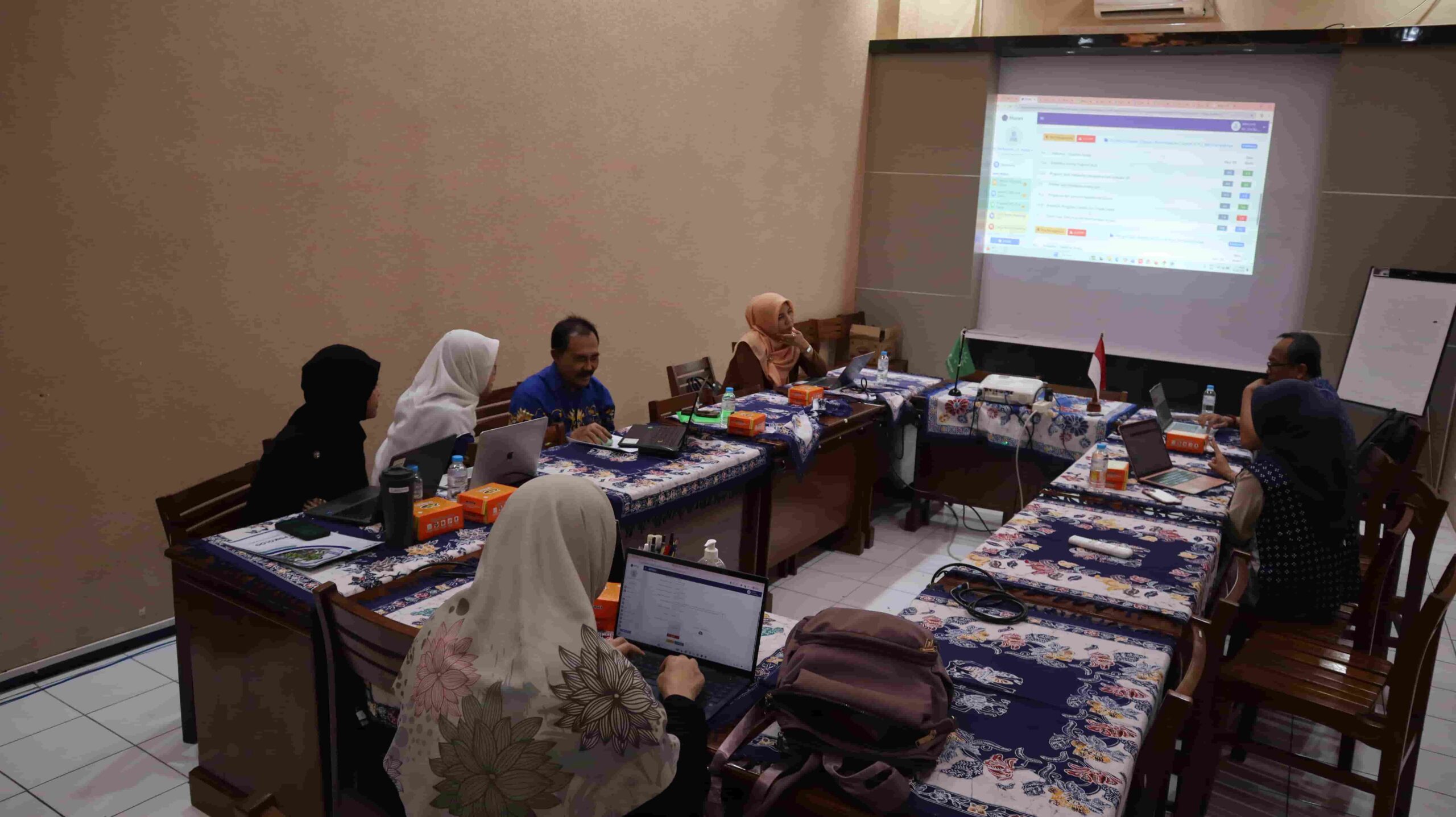
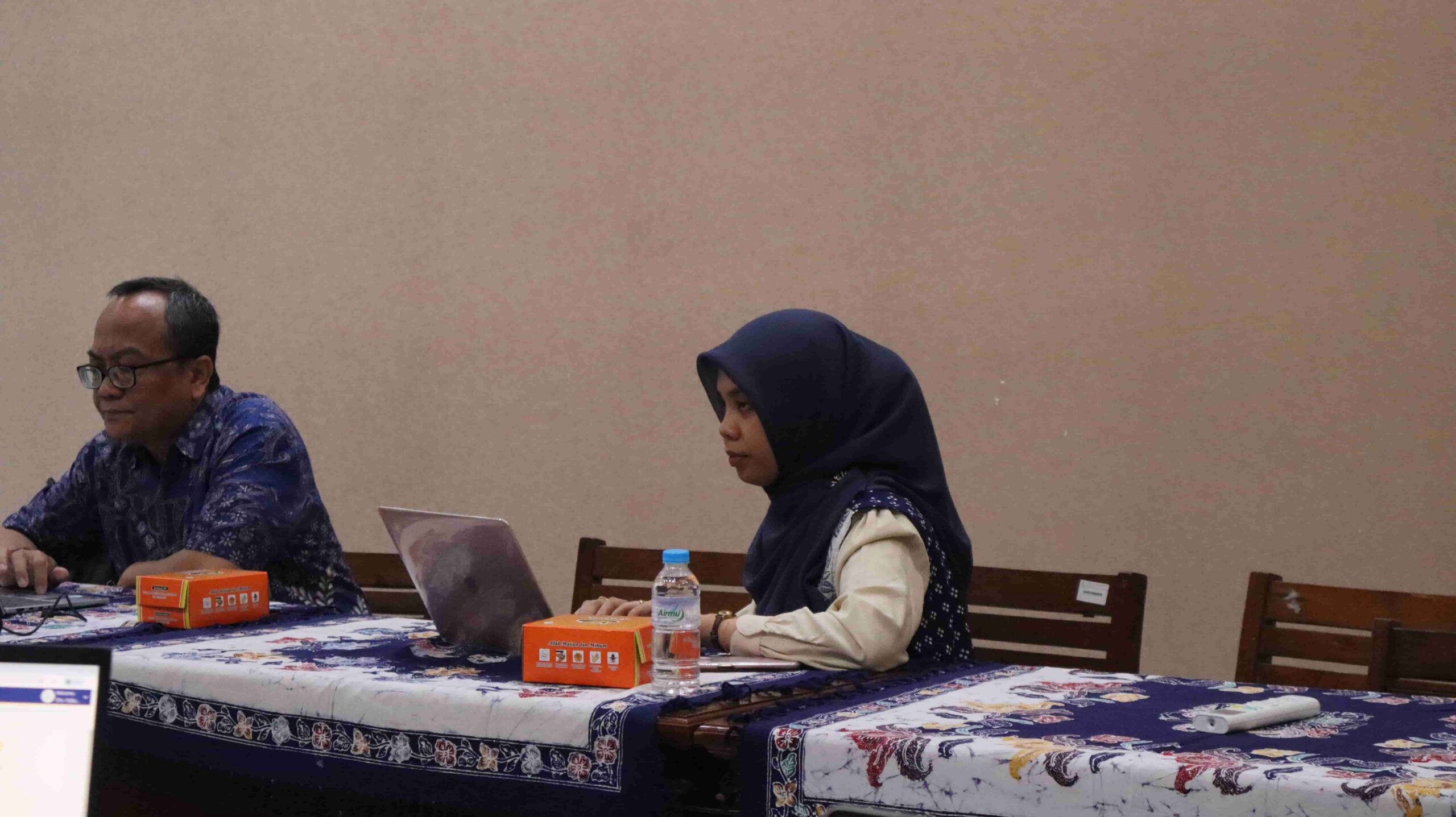
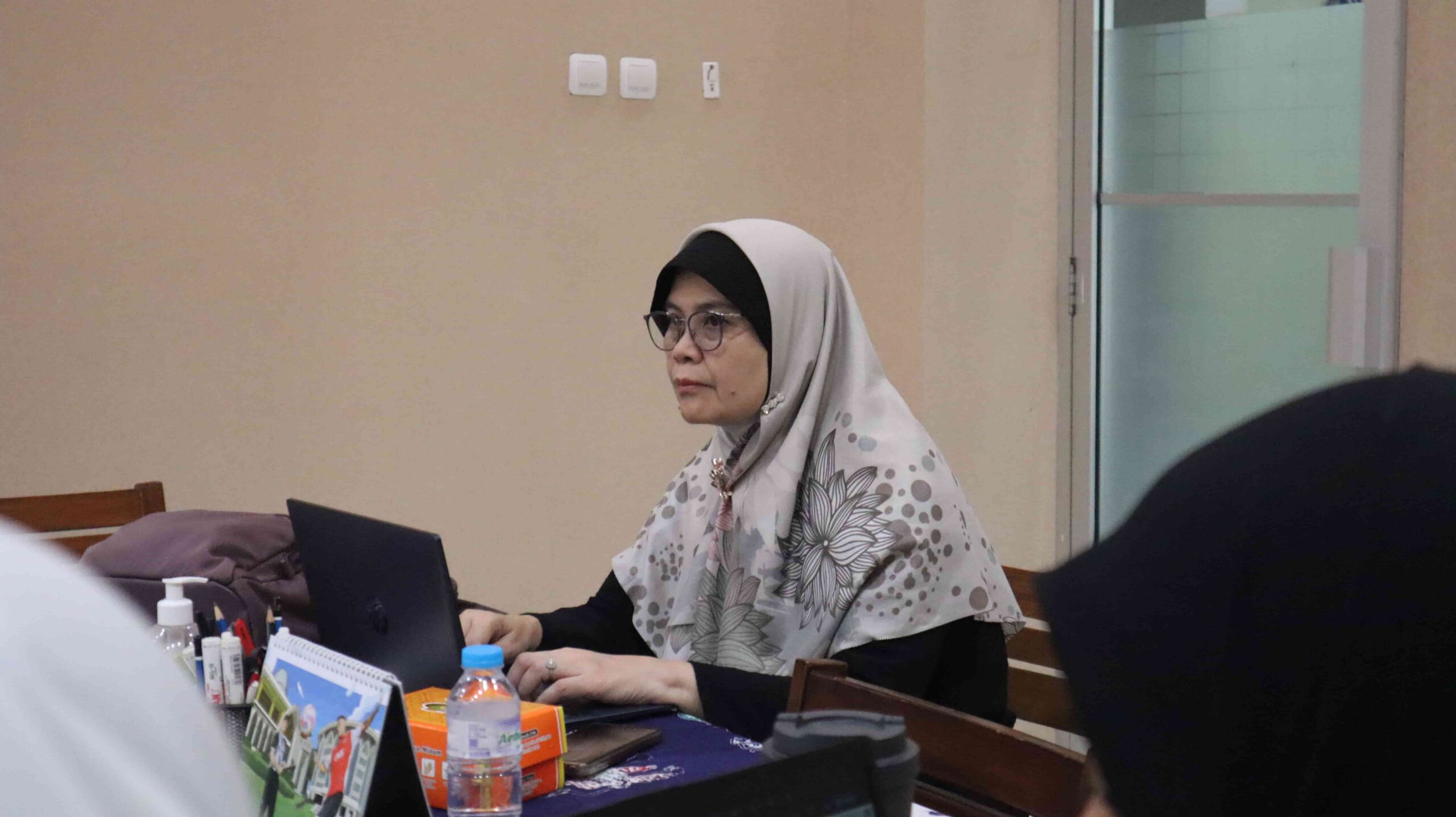
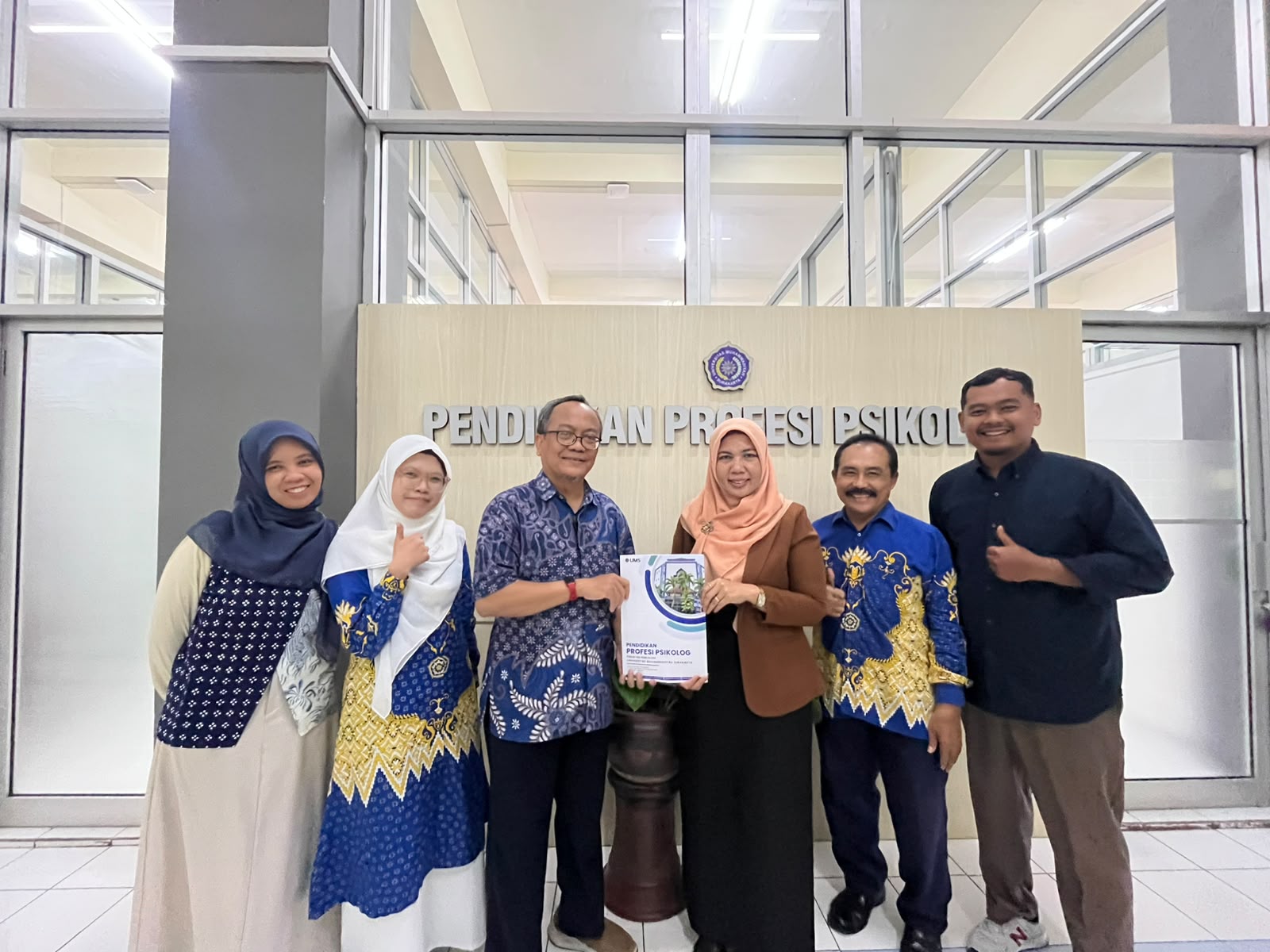
Surakarta, 10 August 2026 – The Faculty of Psychology at Universitas Muhammadiyah Surakarta (UMS) once again carried out its Internal Quality Audit (AMI) for the Even Semester of the 2025/2026 Academic Year on Monday (10/8/2026). Held in the Faculty of Psychology Meeting Room, the evaluation focused on reviewing the quality and achievements of the Professional Psychologist Education Study Programme. The Audit that was lead by Internal Auditor of UMS Dr. Eni Budiyati, S.T., M.Eng and Drs. Yulianto Bambang Setyadi, M.Si. Which the auditi of this Evalutation are the Professiion Psychology which the Headmaster, Secretative and QA and the Dean of the Faculty.
According to the audit findings, the Professional Psychologist Education Study Programme delivered a highly satisfactory performance overall, successfully meeting 15 out of the 20 quality-standard indicators to a good standard.
Despite this string of positive results, the audit was carried out in full, using the existing audit instruments. The audit team raised a number of evaluative points, amounting to just one (1) Minor Non-Conformity, which now stands as an item for the programme’s management to address ahead of the next audit.
Among the most notable achievements was the exceptionally high rate of on-time graduation, well above the standard set. A total of 37 out of 39 students in the first cohort, and 55 out of 57 students in the second cohort, completed their studies within the expected timeframe.
The programme’s appeal has also continued to grow rapidly year on year, reflected in a marked rise in student numbers between the first and second cohorts.
This strength is matched by the quality of the graduates it produces. The competence of students on the UMS Professional Psychologist programme has gained recognition at national level, evidenced by 39 students successfully obtaining certification from the National Professional Certification Body (BNSP) under the Human Resources (HR) Supervisor and Recruitment scheme.
On the staffing front, teaching quality is underpinned by a highly capable body of academic staff. Some 72% (13 individuals) of lecturers hold a Master’s degree, while 28% (5 individuals) hold a Doctorate. The programme was also commended for its good practice in Anti-Corruption Education, integrated into both teaching and the evaluation of its code of ethics.
Areas for Improvement and Evaluation
Notwithstanding these many achievements, the audit team nonetheless offered a number of observations and recommendations to guide the programme’s future quality improvement. The principal weakness identified concerned administrative completeness and the system for documenting evidence of activities carried out, both of which still require tightening up.
With regard to academic development, the programme was encouraged to begin involving industry and business partners (DUDI) in shaping its future curriculum. It was also stressed that the measurement and evaluation reporting of Graduate Learning Outcomes (CPL) should be carried out on a regular, annual basis.
As for alumni evaluation, the tracer study and graduate-user satisfaction survey could not yet be carried out in full, as the first cohort of graduates has not yet reached its evaluation period (TS-1). This will, however, be followed up in the next period.
Through this Internal Quality Audit, the UMS Professional Psychologist Education Study Programme remains committed to continuous self-evaluation, to strengthening its administrative systems, and to sustaining an education that is excellent, innovative and highly competitive.