2025/2026 Even Semester End-Year Internal Quality Audit – UMS Faculty of Psychology
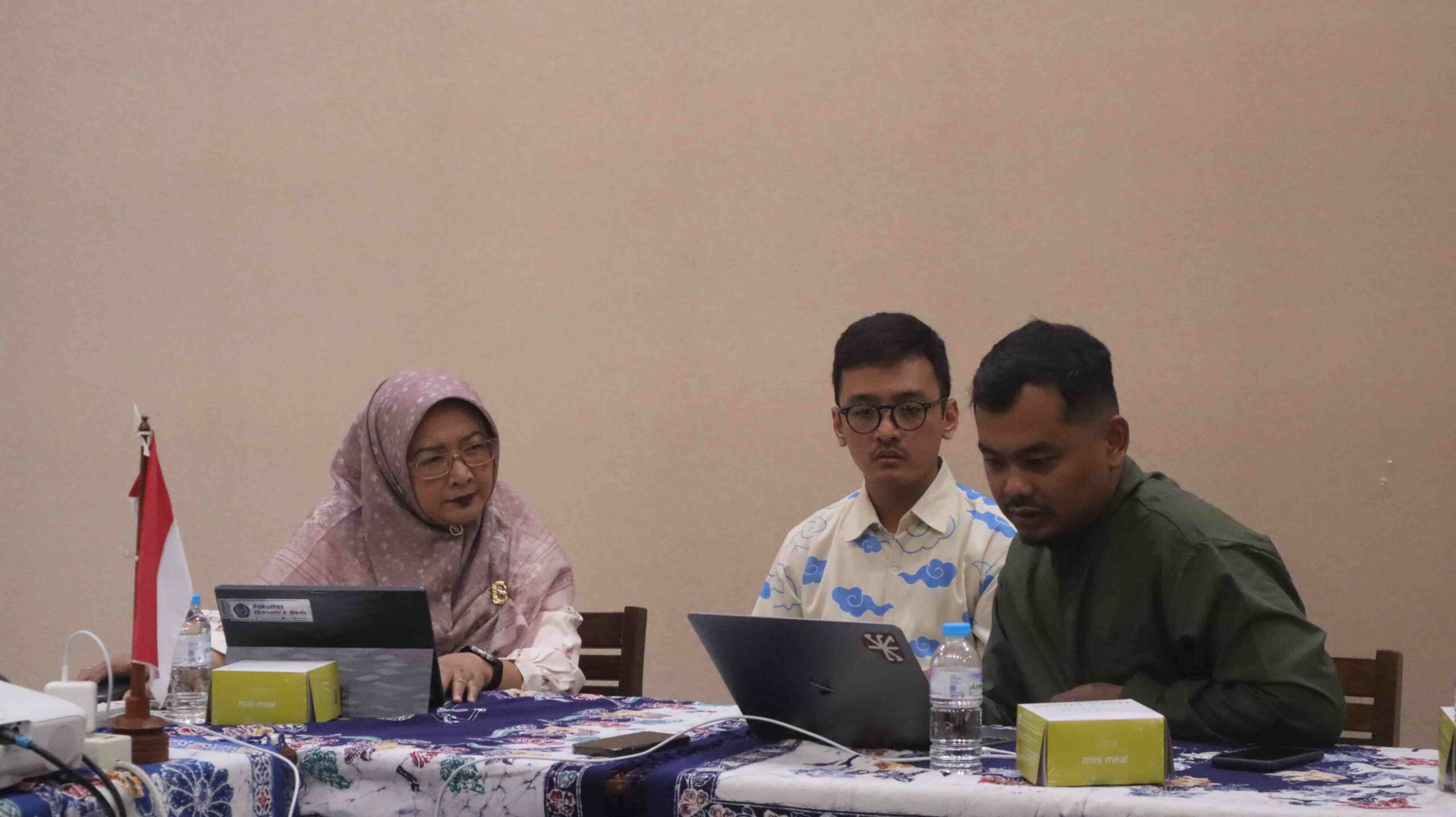
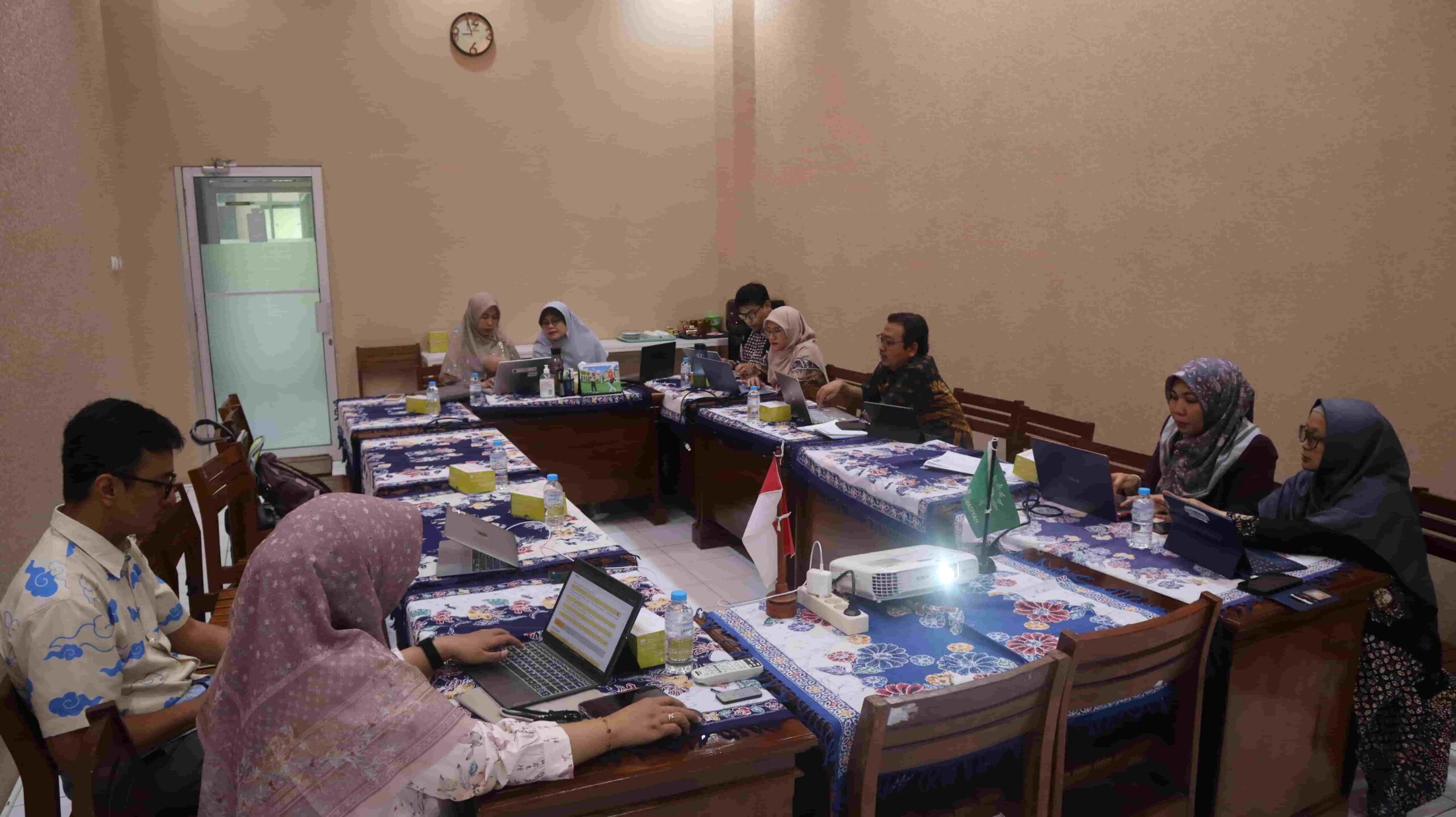
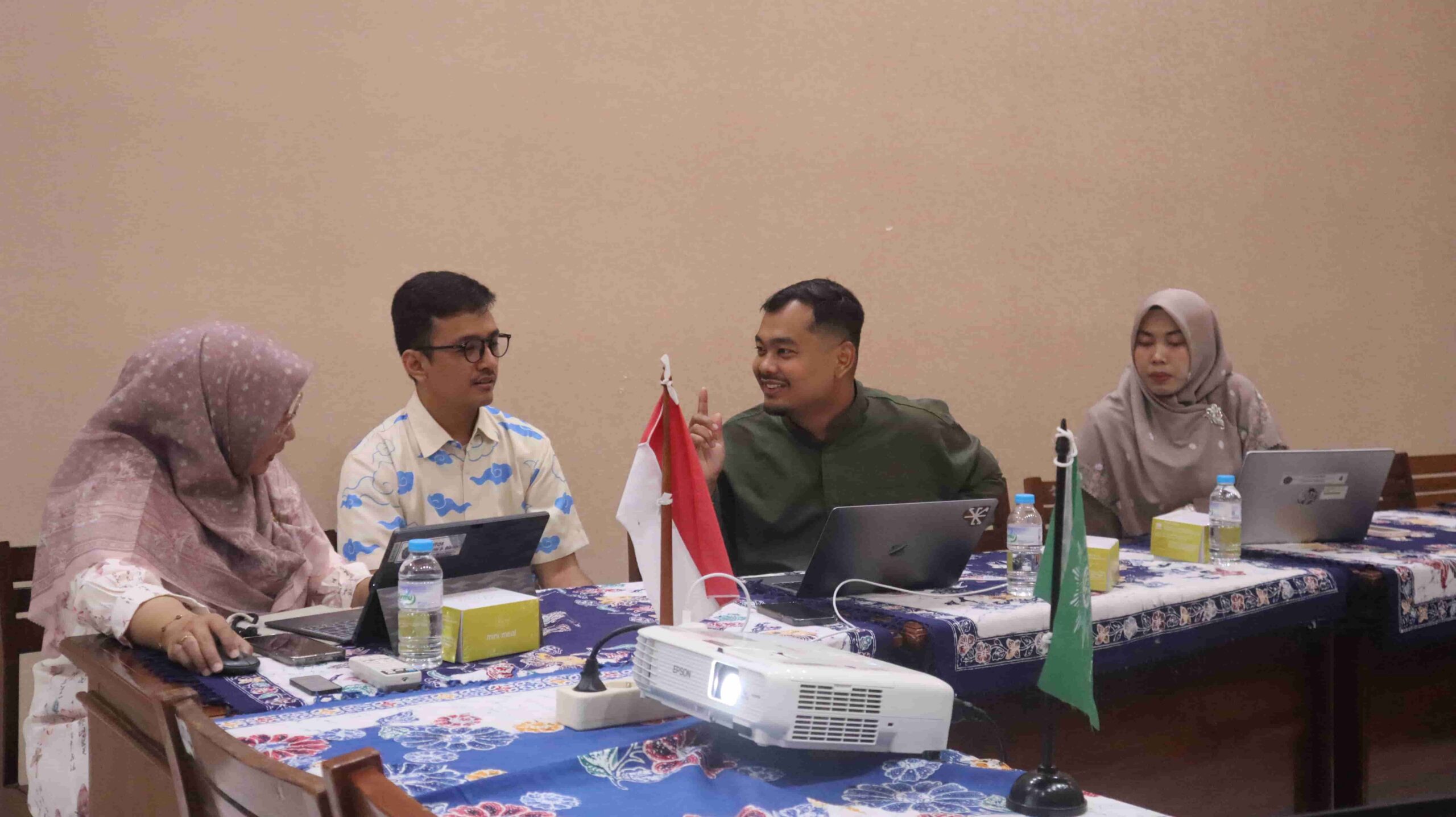
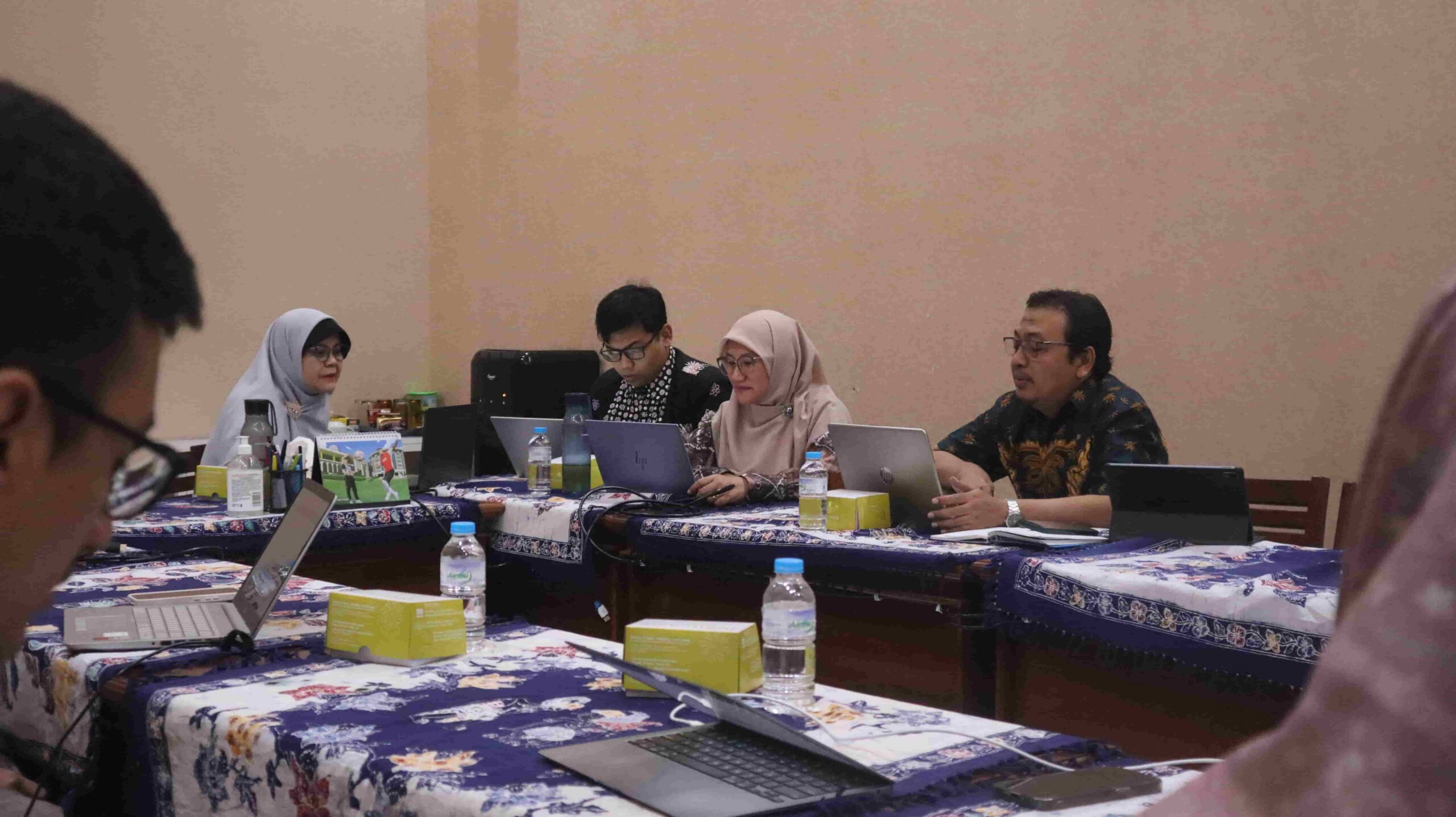
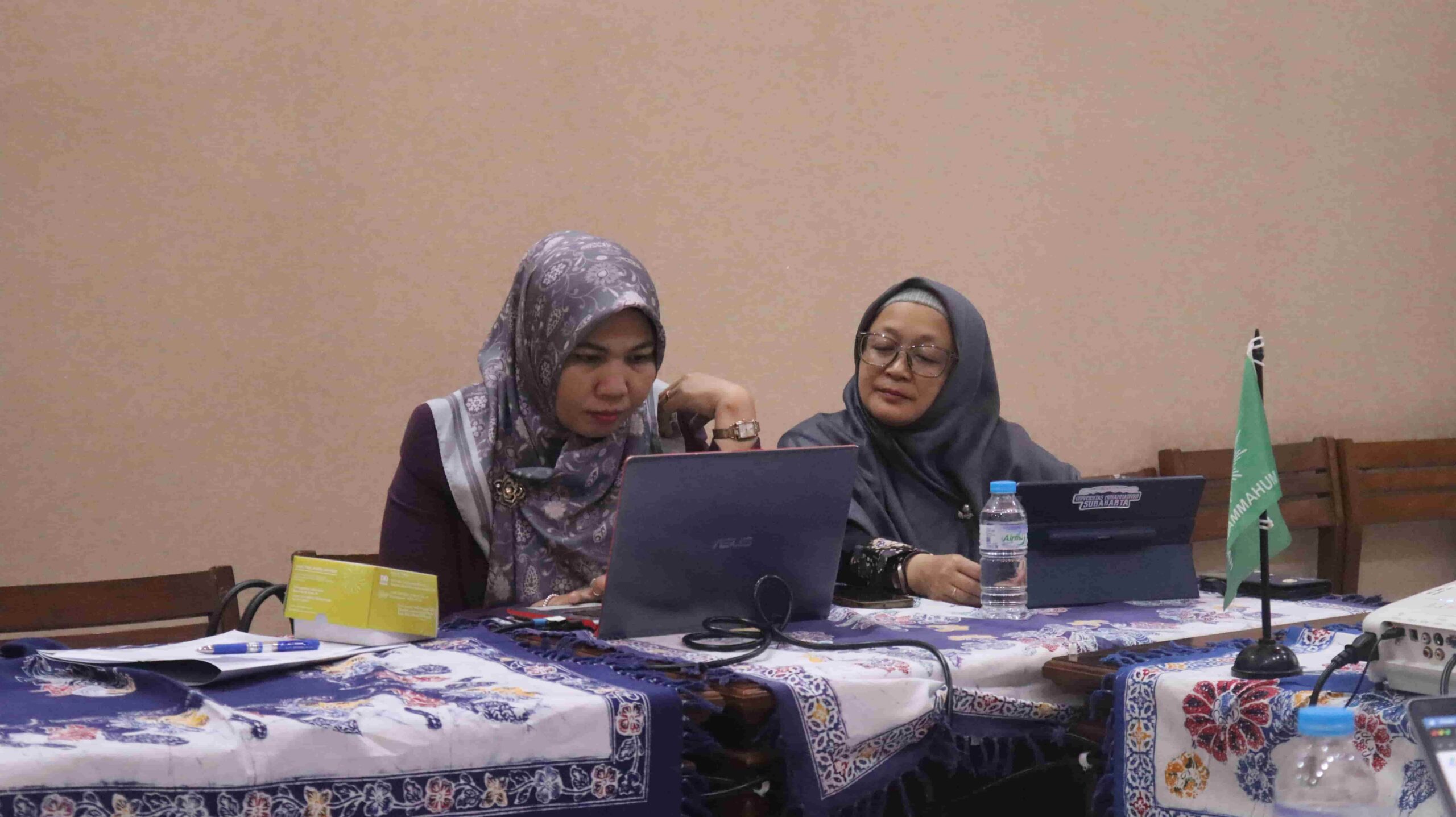
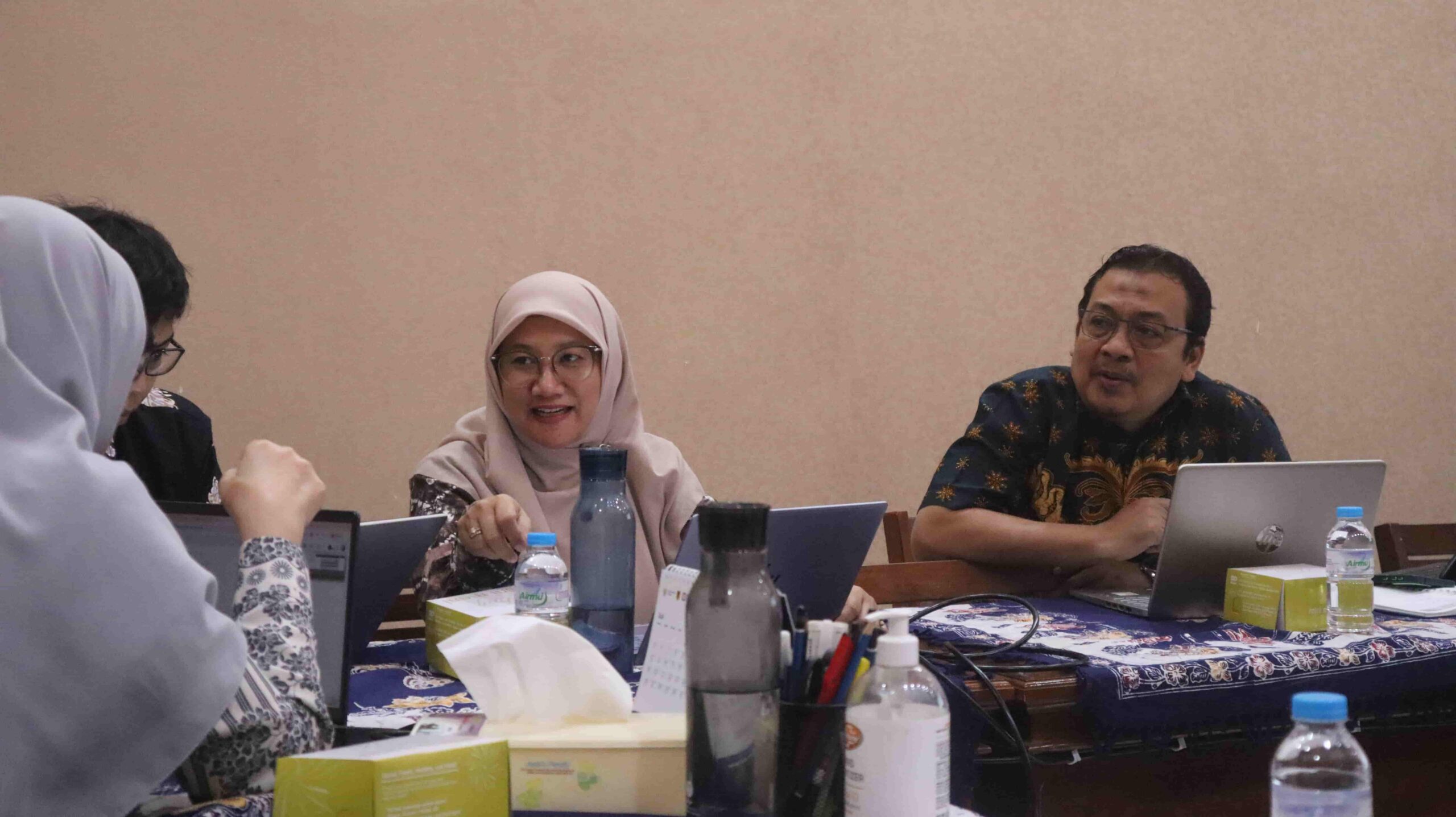
Surakarta, 12 August 2026 – The Faculty of Psychology has once again demonstrated its commitment to maintaining educational quality and standards by carrying out its Year-End Internal Quality Audit (AMI) for the Even Semester of 2025/2026. This exercise forms part of the Faculty’s strategic approach to continually evaluating and improving both its academic and non-academic services.
The audit was led by an internal audit team made up of three experienced academics: Dr. Eni Budiyati, S.T., M.Eng., Dr. Nur Aklis, S.T., M.Eng., and Shinta Permata Sari, S.E., M.M. The team carried out a thorough review of various operational and academic aspects across the Faculty of Psychology.
Notable Achievements and Faculty Strengths
The audit results highlighted a number of highly satisfactory achievements and performance outcomes for the Faculty of Psychology, including:
- Strategic Plan Targets Exceeded: The average Achievement Index for Strategic Plan (Renstra) indicators reached 103.4%, showing that the majority of the Faculty’s targets were comfortably surpassed.
- High Programme Implementation Rate: The Activity Implementation Index stood at 80.3%, with an implementation percentage of 92.9%. Flagship programmes — including the upkeep of digital platforms, the 3rd ICIIP, and research workshops — were all carried out highly effectively.
- Compliance with Quality Standards: The Faculty successfully met 29 of the 36 quality-standard indicators set by BAN-PT (the National Accreditation Board for Higher Education).
- Curriculum Renewal and Achievements: Every study programme has now implemented an Outcome-Based Education (OBE) curriculum. In step with this, student achievements at both national and international level have also shown marked improvement.
Evaluation and Observations
Alongside acknowledging these positive results, the audit team also put forward several frank and constructive observations, identified as areas for improvement for the Faculty of Psychology going forward. These included uneven absorption of the budget, as well as an uneven distribution of Mandatory Weekly Workload Equivalent (EWMP) across the Faculty.
Despite these positive results, the audit was carried out in full, using the existing audit instruments. The audit team’s findings comprised one (1) Minor Non-Conformity, one (1) Major Non-Conformity, and one (1) Observation, which will now form part of the Faculty management’s improvement agenda to be addressed ahead of the next audit.
Through this Internal Quality Audit, the UMS Faculty of Psychology remains committed to continuous self-evaluation, to strengthening its administrative systems, and to sustaining an education that is excellent, innovative and highly competitive — with the aim of securing “Excellent” (Unggul) accreditation for its study programmes and producing psychology graduates who are both competent and able to compete on the global stage.