National Children’s Day 2026: UMS Psychology Professor Stresses the Importance of Home as a Safe Space for Children
[Repost] Surakarta, 24 July 2026 – National Children’s Day, marked every year on 23 July, serves as an occasion for families and society alike to place children firmly at the centre of attention and to ensure that all of their rights are fully upheld. A Professor from the Psychology Study Programme at Universitas Muhammadiyah Surakarta (UMS), Prof. Dr. Sri Lestari, S.Psi., M.Si., Psikolog, affirmed that a nation’s future depends heavily on the quality of children’s growth and development from an early age.
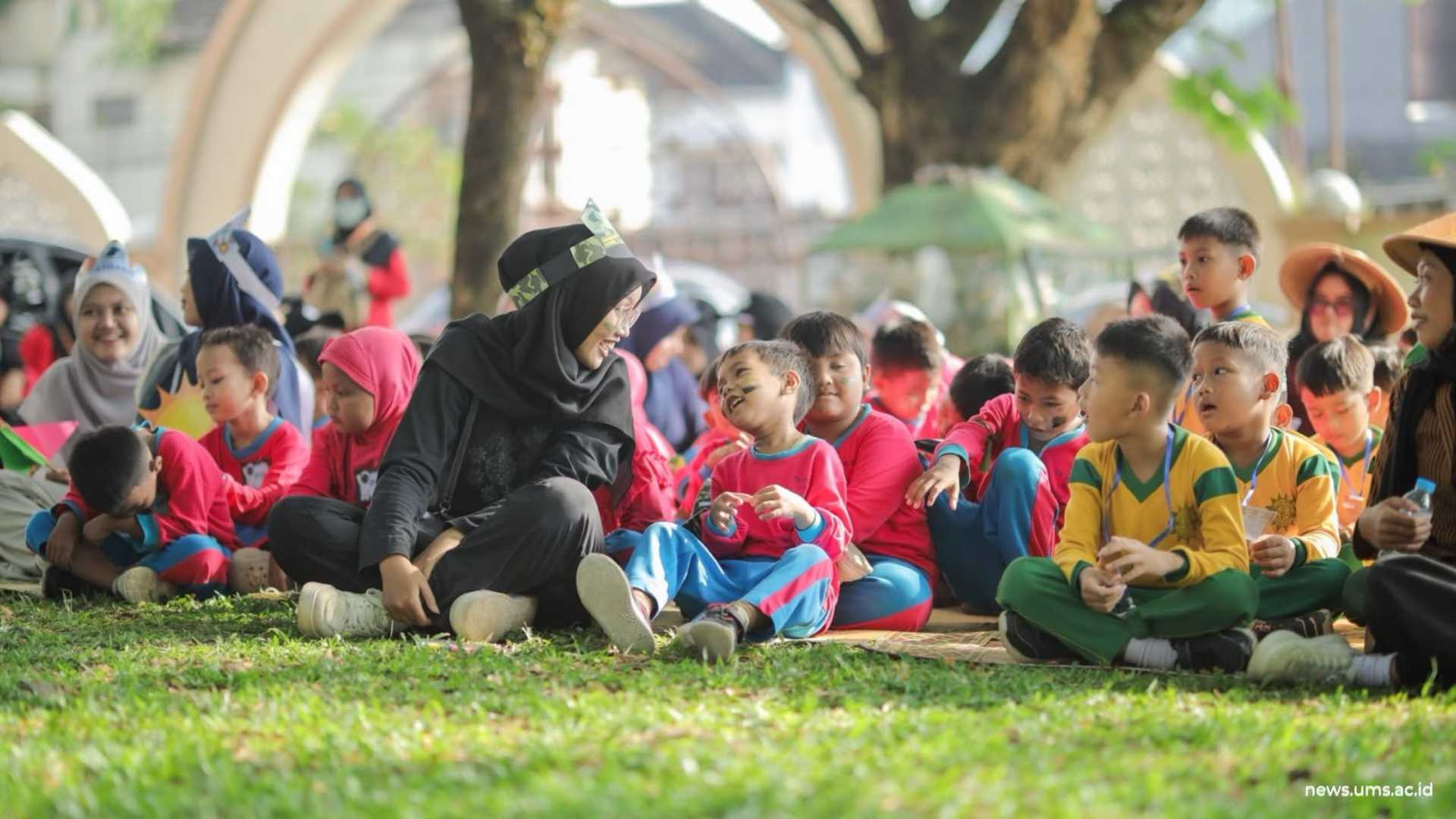
In Sri Lestari’s view, National Children’s Day ought to serve as a moment of reflection for parents and the wider community alike, prompting them to consider whether children’s rights are truly being met, whether they are living happily, and whether they are growing up in a safe environment. She pointed out that the prevalence of violence, bullying and mistreatment against children shows that creating safe spaces for them remains a shared task that is far from complete.
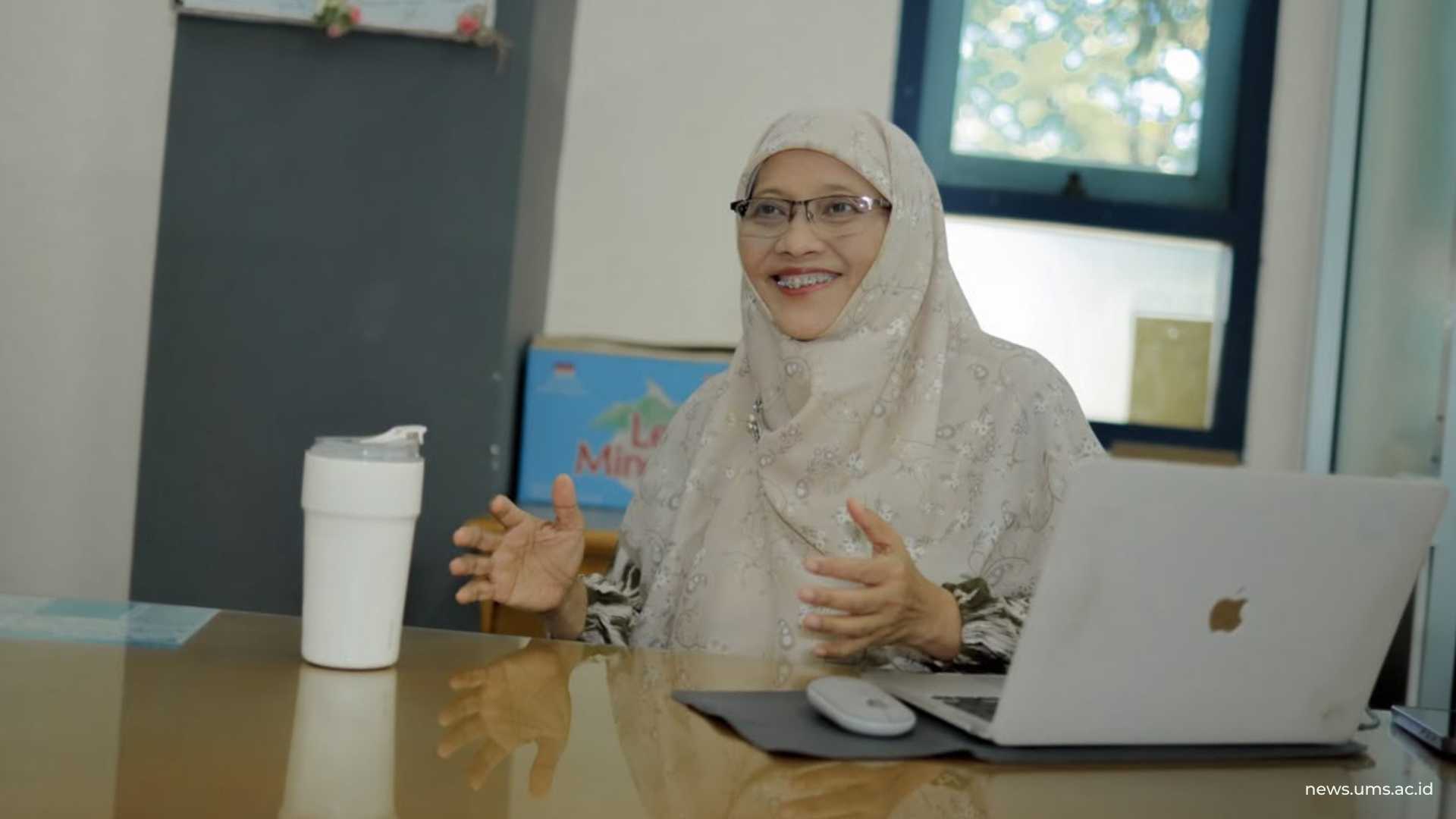
Looking at the matter through the lens of family psychology, Sri Lestari observed that a great many parents still do not fully grasp the fundamental rights to which children are entitled. One such right is a child’s ability to voice their own opinions and to be given room to make choices appropriate to their stage of development. She noted that a good number of young people pursue higher education not out of personal choice, but because of pressure or expectation from their parents.
She also drew attention to the considerable challenges children face in today’s digital age. Excessive use of gadgets, she explained, deprives children of opportunities for face-to-face interaction, and can even leave them feeling lonely despite being surrounded by friends or family. This, in turn, contributes to a decline in communication within the family unit.
Sri Lestari cautioned that the practice of handing gadgets to young children simply to keep them calm can, in fact, hinder their development. Pre-school children, she said, need intensive interaction, physical touch and communication in order to recognise their emotions, build their speech, and learn self-control. She cited the rise in cases of speech delay among children as one consequence that ought to be taken seriously.
Beyond this, she noted that learning to recognise emotions from an early age forms an equally vital foundation for preventing psychological difficulties later in life, bullying included. Children accustomed to recognising and managing their emotions from a young age tend to develop far stronger self-control than those who lack such guidance.
Turning to the widespread problem of bullying, Sri Lestari explained that victims are at risk of trauma, heightened anxiety, a loss of self-confidence, and setbacks in developing their own potential. These effects, she said, are not confined to the short term, but can go on to affect a child’s social life and academic performance well into the future.
To raise children who are confident and self-reliant, Sri Lestari underlined the importance of making the home a genuinely safe space. Parents, she said, need to accept their children as they are, get into the habit of listening to what their children have to say without rushing to judge, and avoid treating academic achievement as the sole focus of everyday conversation. This habit of open dialogue, she believes, will make children more forthcoming when facing difficulties of their own.
She further stressed that a child-friendly environment can only be achieved through collaboration between families, schools, universities and the wider community. Teachers, she said, ought to refrain from comparing a child’s abilities with those of their classmates or siblings, as such experiences can leave a lasting mark well into adulthood. Sri Lestari even shared a personal experience of her own child, who continued to carry the psychological effects of frequently being compared with an older sibling during primary school.
Closing her message for National Children’s Day, Sri Lestari encouraged parents to uphold their children’s rights through simple everyday measures — from providing healthy nutrition and limiting the consumption of ultra-processed food, to reducing reliance on gadgets and setting aside time to talk with their children. She firmly believes that the care and attention shown by families, schools and the community together form the essential foundation for raising a generation of Indonesians who are healthy in both body and mind. (Yusuf/Humas)