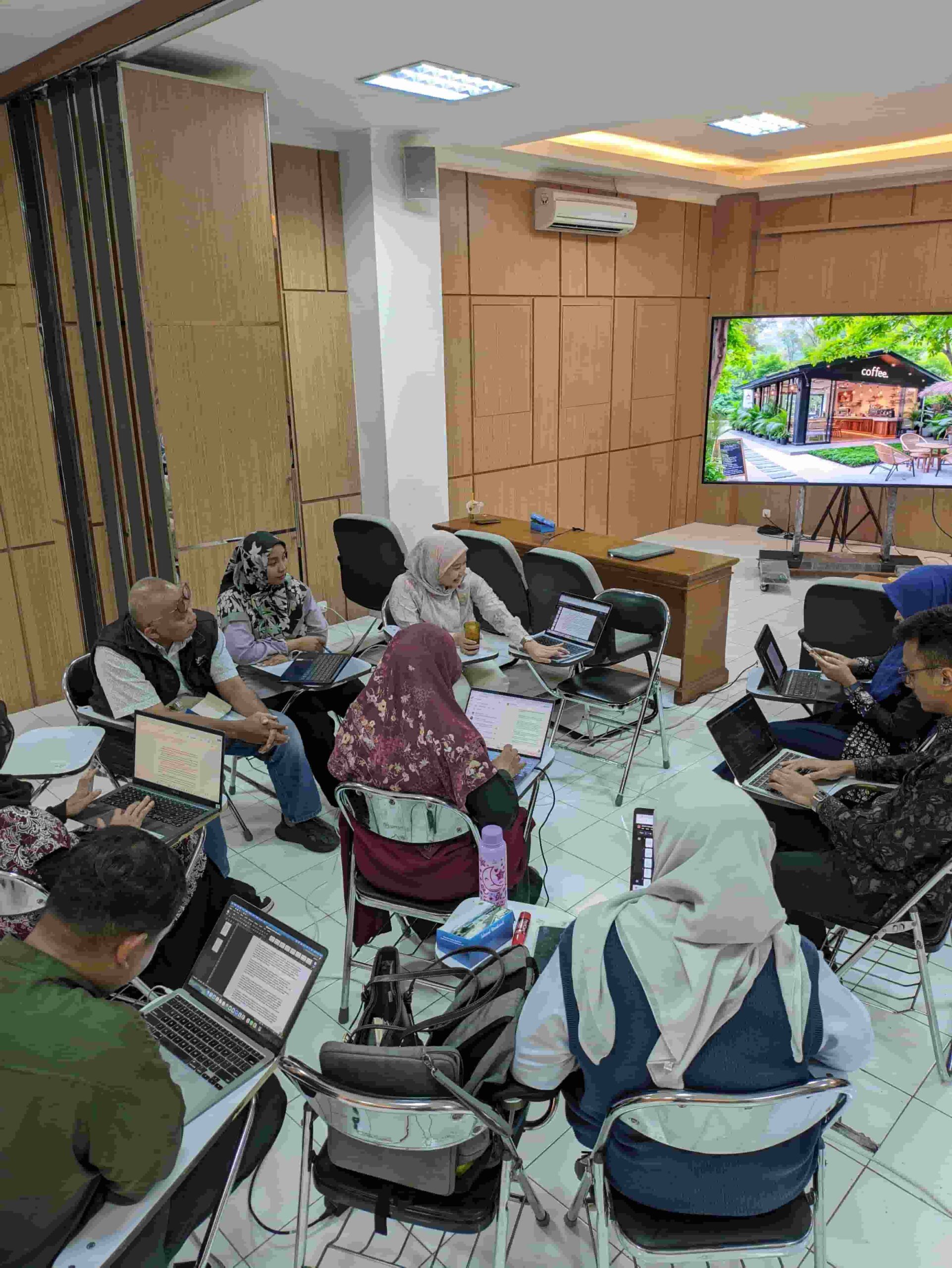
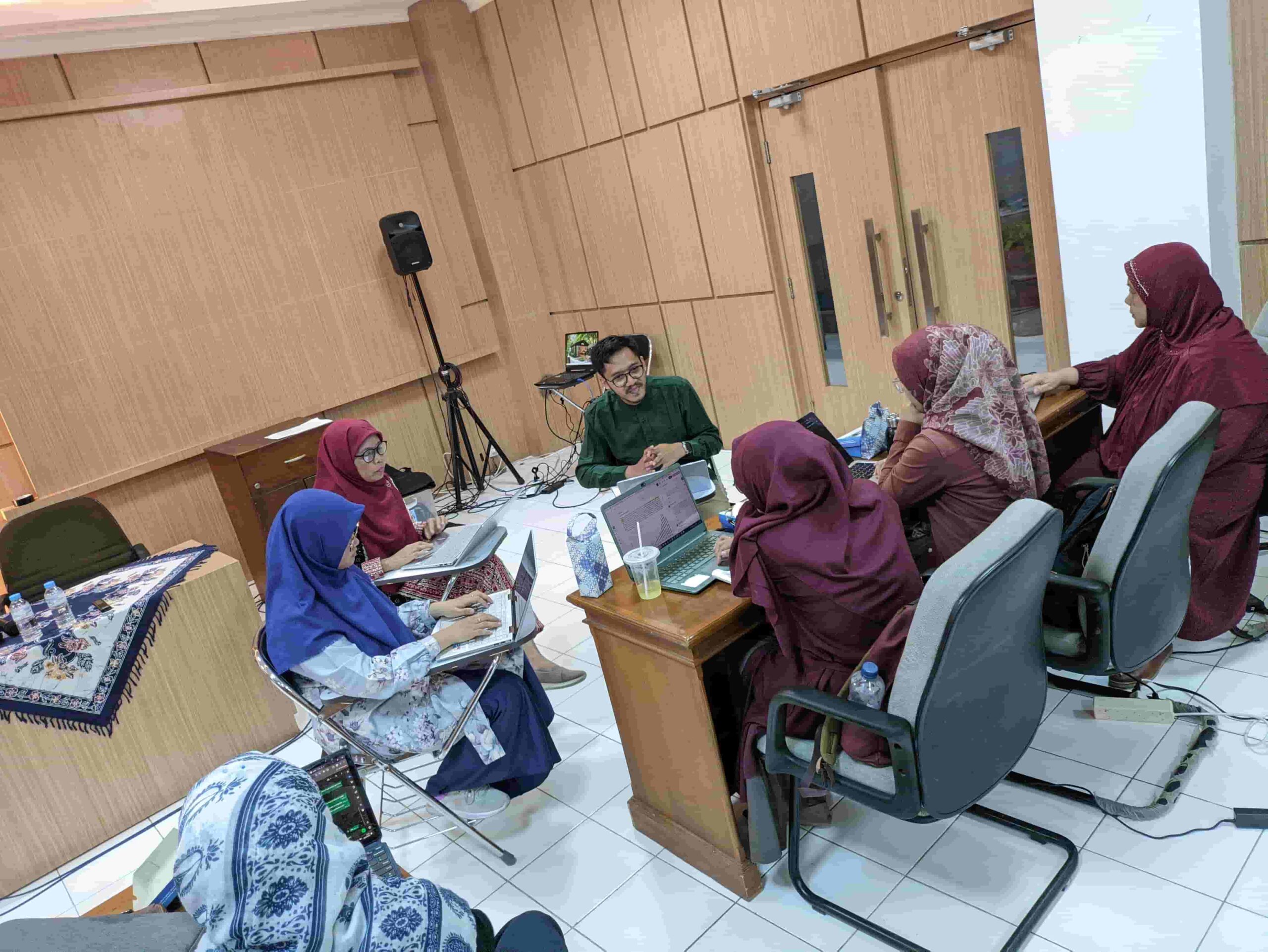
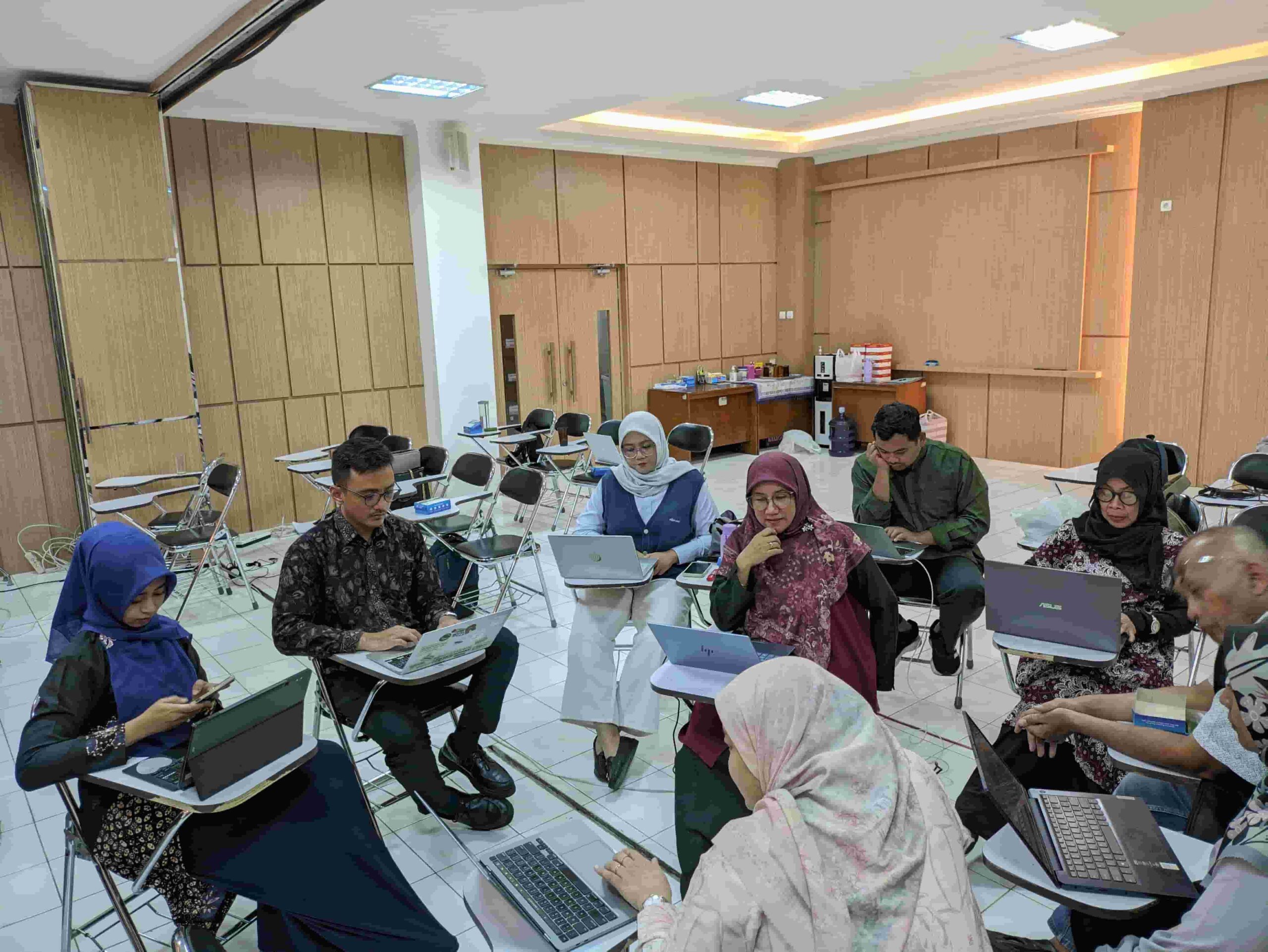
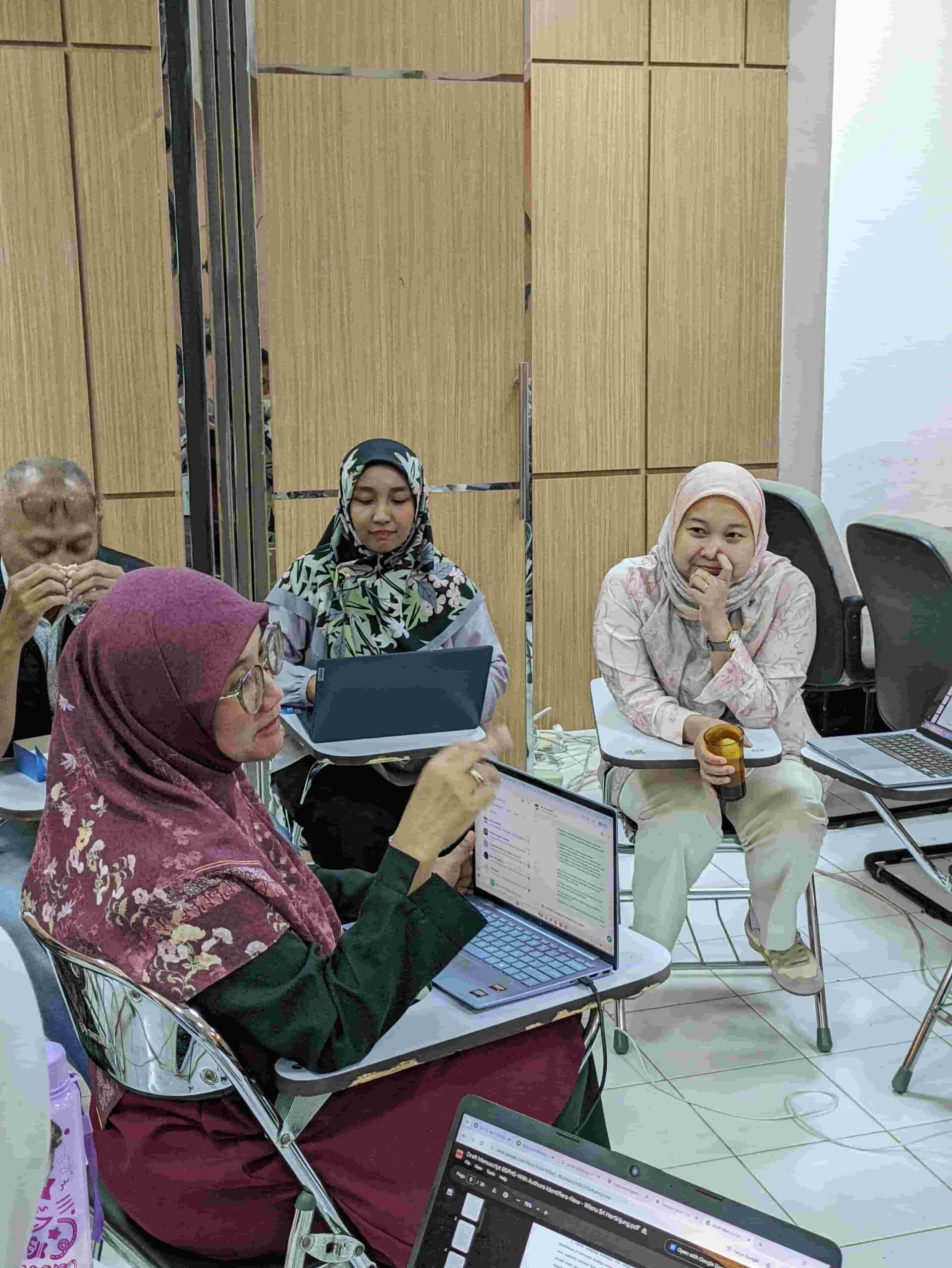
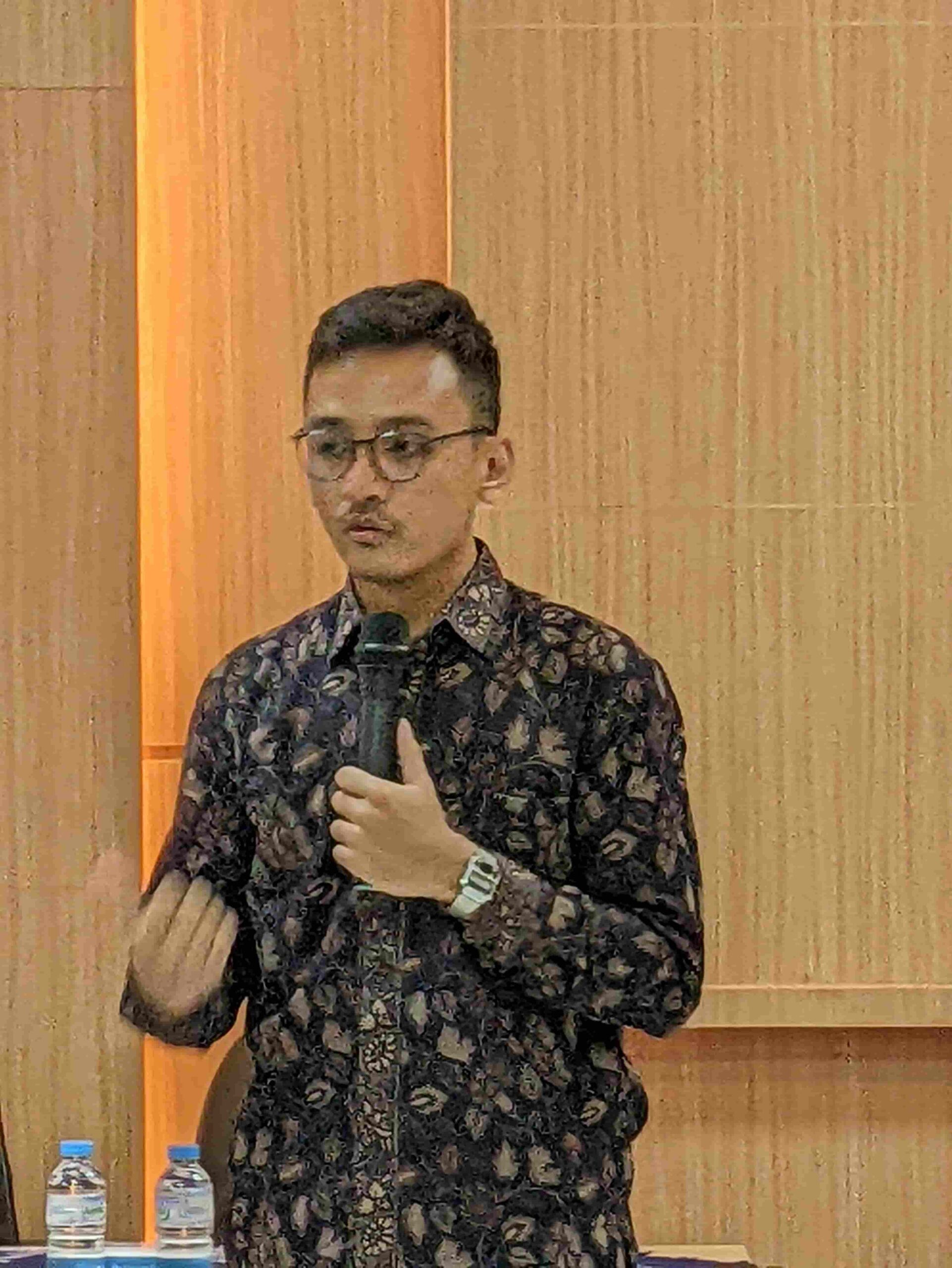
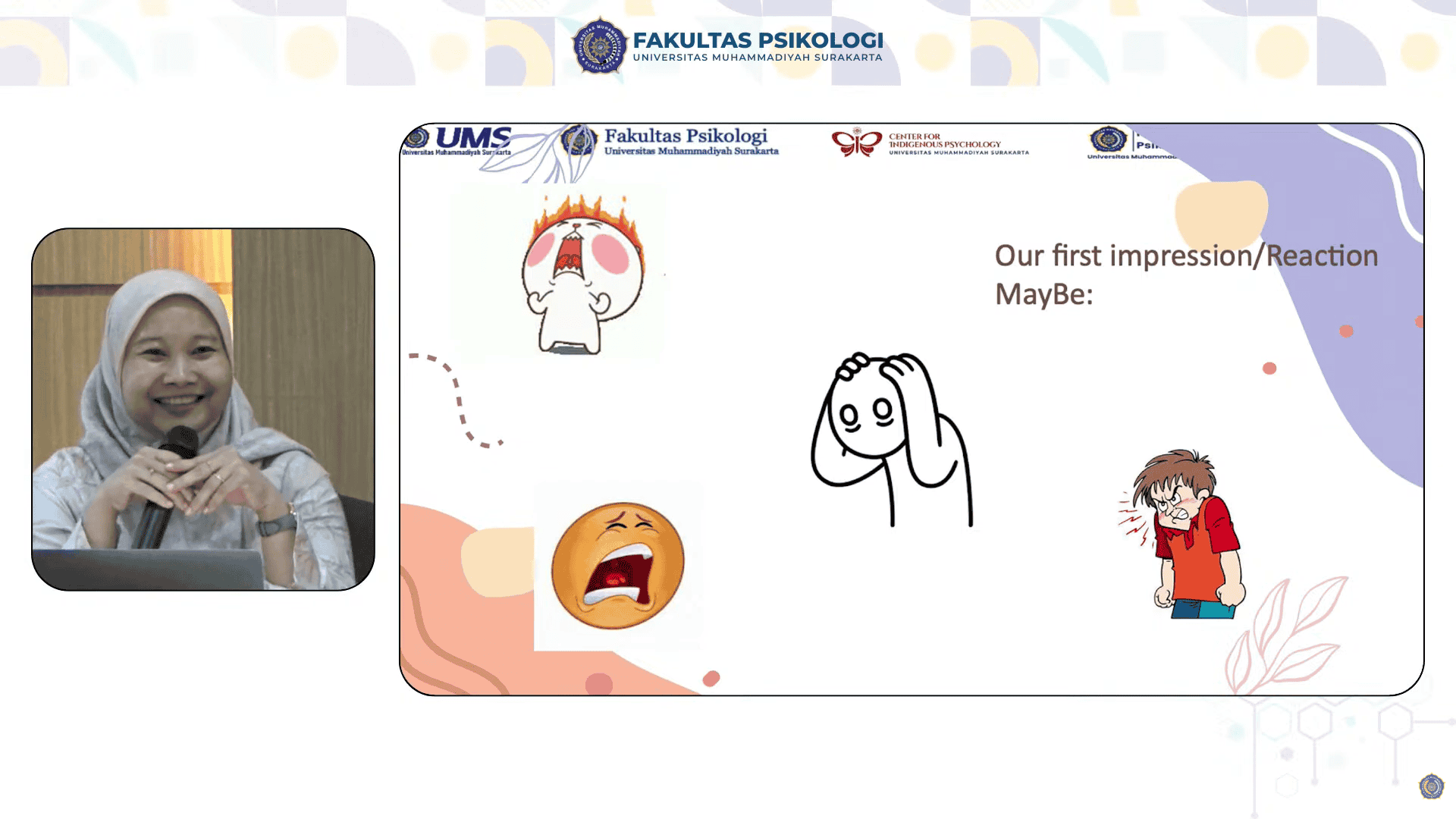
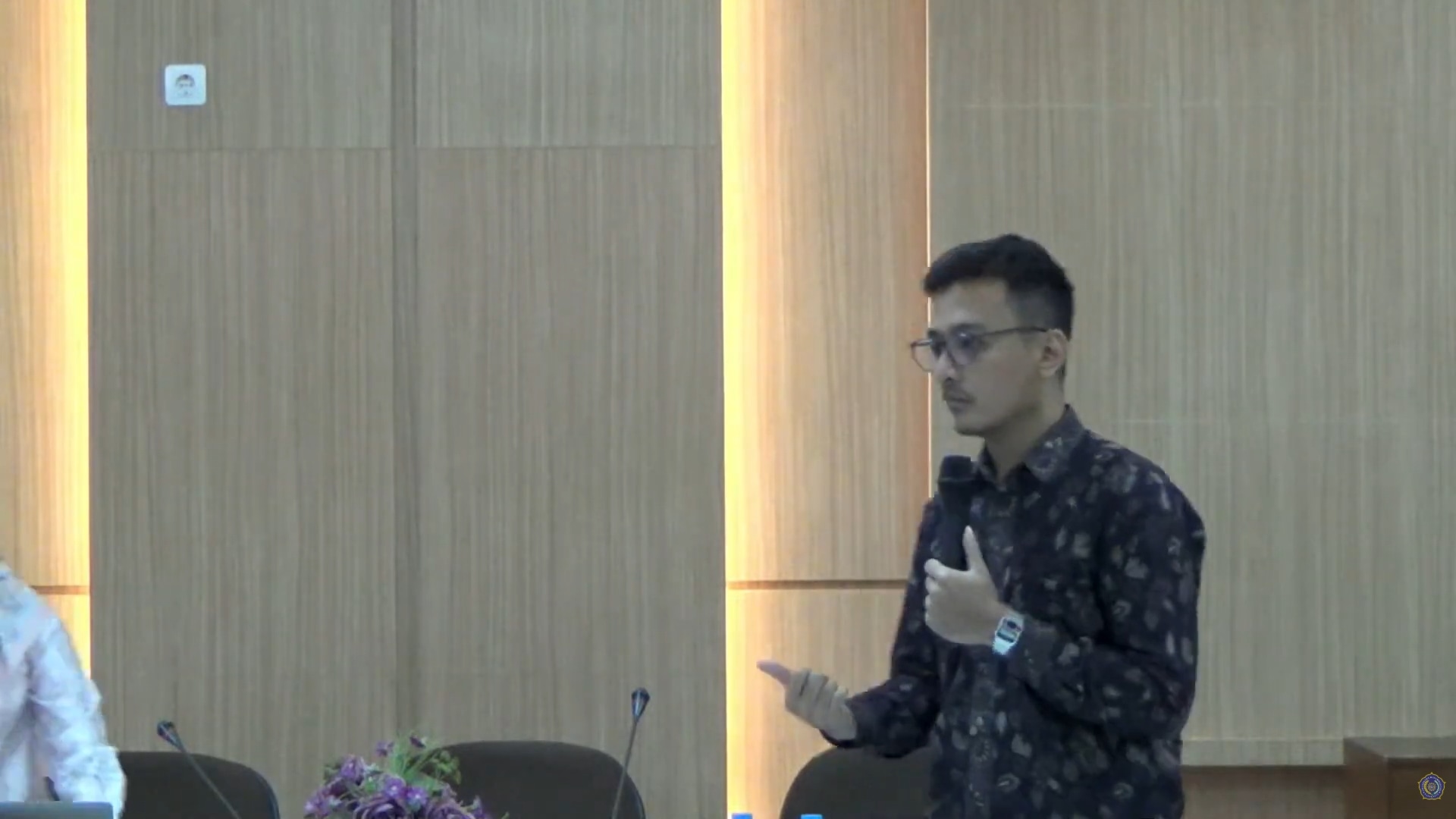
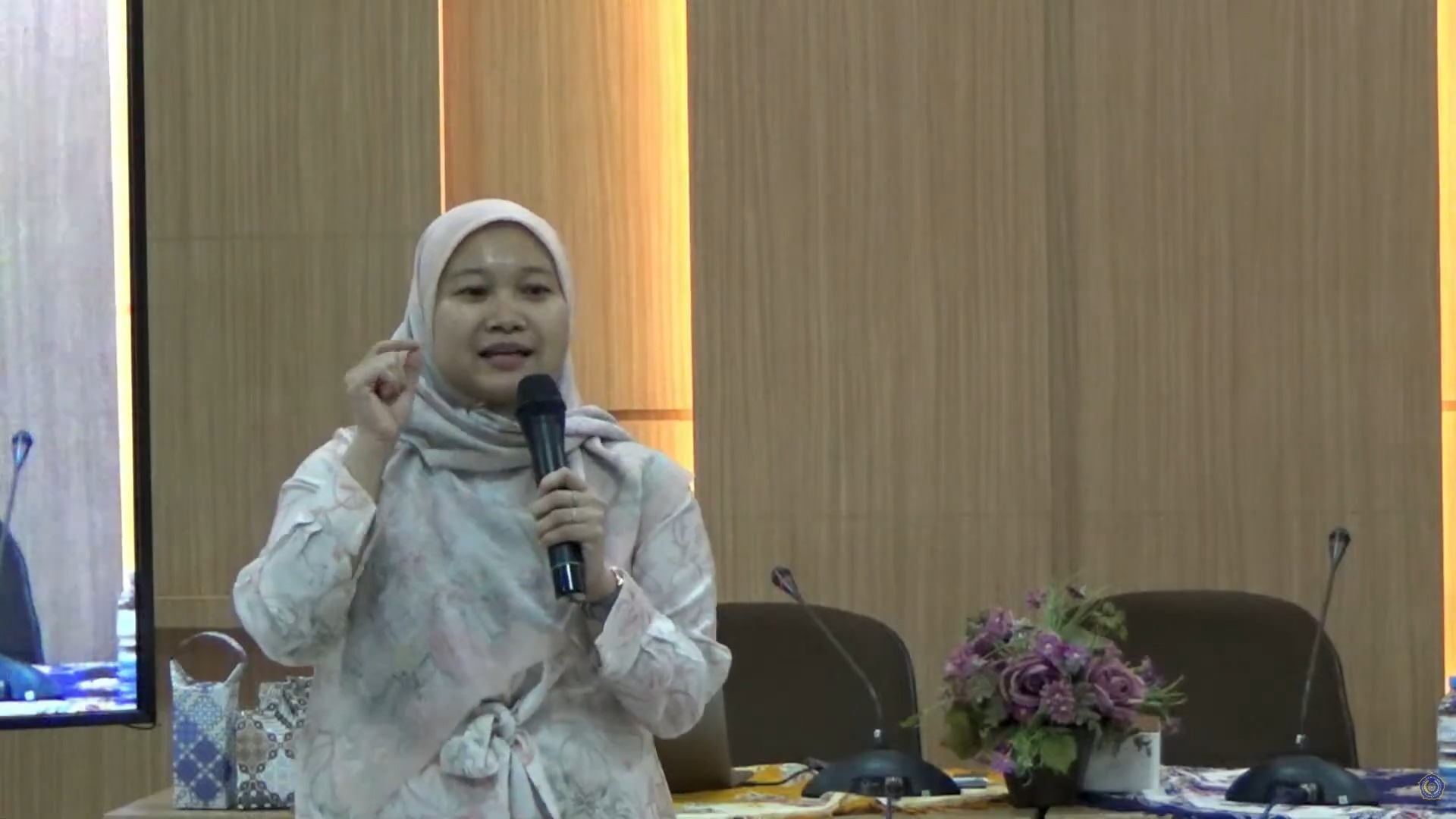
Surakarta, 22 July 2026 – The Centre for Islamic Psychology Studies, Faculty of Psychology, Universitas Muhammadiyah Surakarta (UMS), has once again held a Workshop on Writing Manuscripts for Reputable Journal Publication, continuing the second stage of a three-stage series of activities aimed at developing lecturers’ research capacity. Unlike the first session, which focused on preparing research proposals, this second-stage session specifically addressed strategies for writing manuscripts so that they are fit for, and accepted by, internationally reputable journals. The event was held in the Hybrid Room on the 2nd Floor of the UMS Faculty of Psychology, featuring Santi Sulandari, M.Ger., Ph.D. as the main speaker, and moderated by Audi Ahmad Rikardi, M.A.
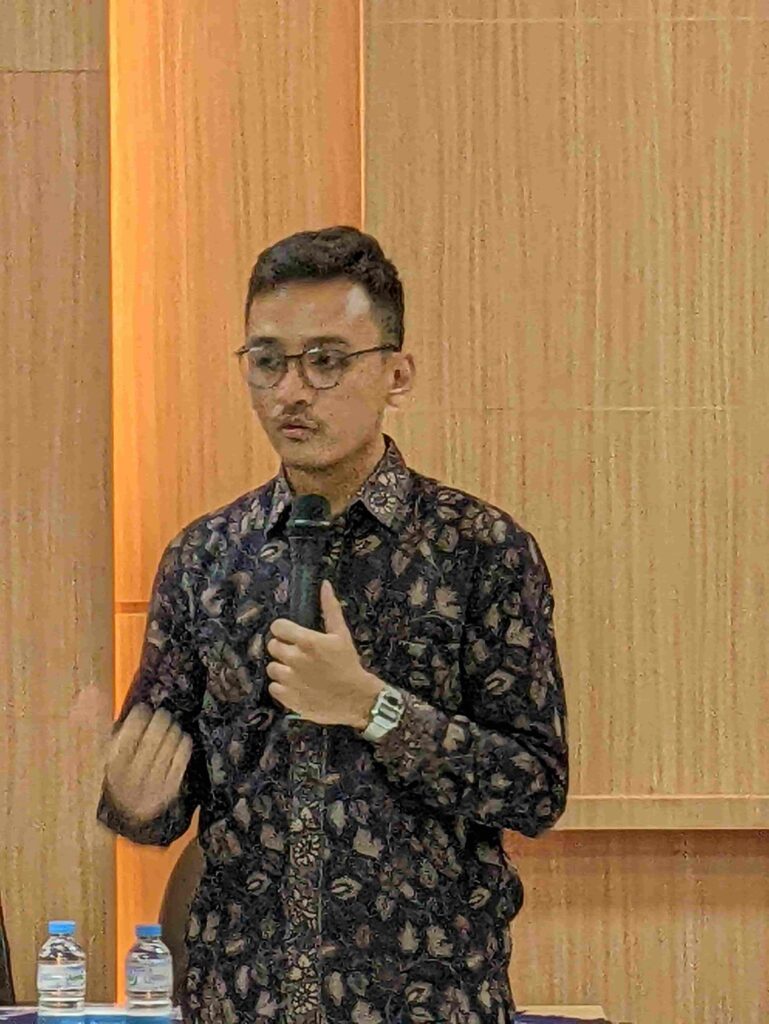
Full documentation of the event can be accessed via the following YouTube link.
In her presentation, Dr Santi Sulandari opened the session by outlining the three most common types of manuscript rejection: rejection due to a mismatch with the journal’s scope, rejection due to weaknesses in content or methodology (the “science reject”), and rejection due to weak presentation and logical flow (the “narrative reject”). She shared her own experience of being repeatedly rejected by highly reputable journals, even when her research design was relevant, simply because it did not align with the scope and focus of the target journal.
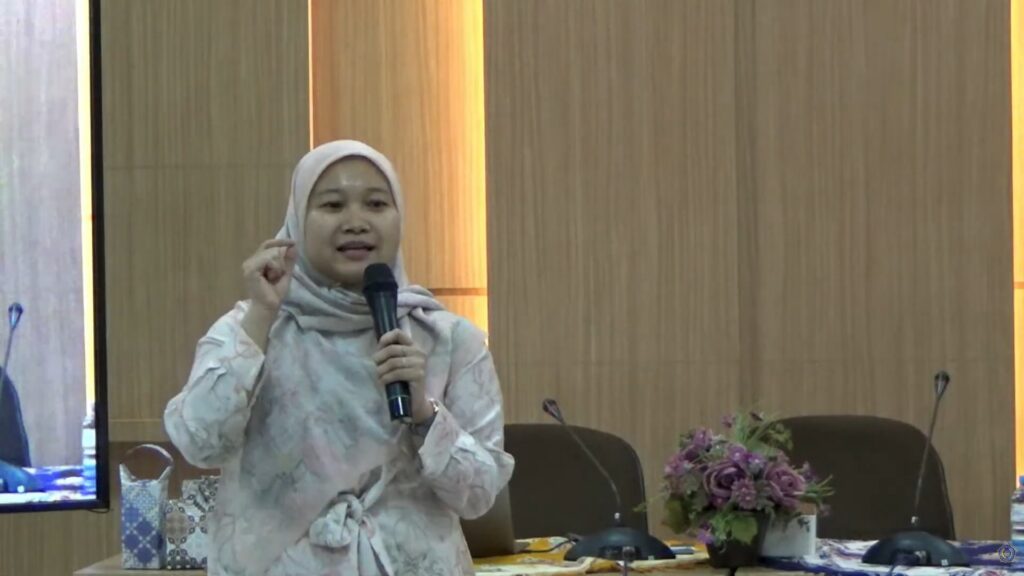
“I once submitted to a journal with a very high impact factor, because the research topic matched mine exactly. But it turned out I’d missed one thing — most of the articles published there were clinical studies, whereas mine was set in a community context, so it was automatically rejected.” — Dr Santi Sulandari
Several substantive points covered in this session included:
- Manuscript Anatomy (IMRaD): A scientific publication manuscript must contain the elements Title, Abstract, Introduction, Method, Result, and Discussion, and References in a structured, interconnected way, rather than as isolated sections.
- Competitive Titles and Abstracts: Titles should be specific, include the study’s variables and population, run to roughly 10–15 words, and avoid outdated phrasing such as “a study of…”. An abstract should ideally cover the context, gap, aim, detailed method, results, and research implications, all in a concise and dense format.
- Clarity of Gap and Novelty: Researchers must explicitly explain how their research addresses an existing gap, without assuming that reviewers understand Indonesian cultural context or background.
- Detail in the Method Section: The method section must be written in great detail — covering the participant recruitment process, inclusion-exclusion criteria, measurement instruments used, and stages of data analysis — in order to support the principle of research reproducibility.
- Structuring the Discussion Section: The opening paragraph of the discussion must summarise the key findings, followed by a critical comparison of the results against previous literature — not simply stating similarities or differences — along with concrete limitations and research implications.
- Preprints and Preregistration: Publishing preprints via platforms such as OSF or Research Square can accelerate the dissemination of research findings while also protecting the originality of an ongoing research design.
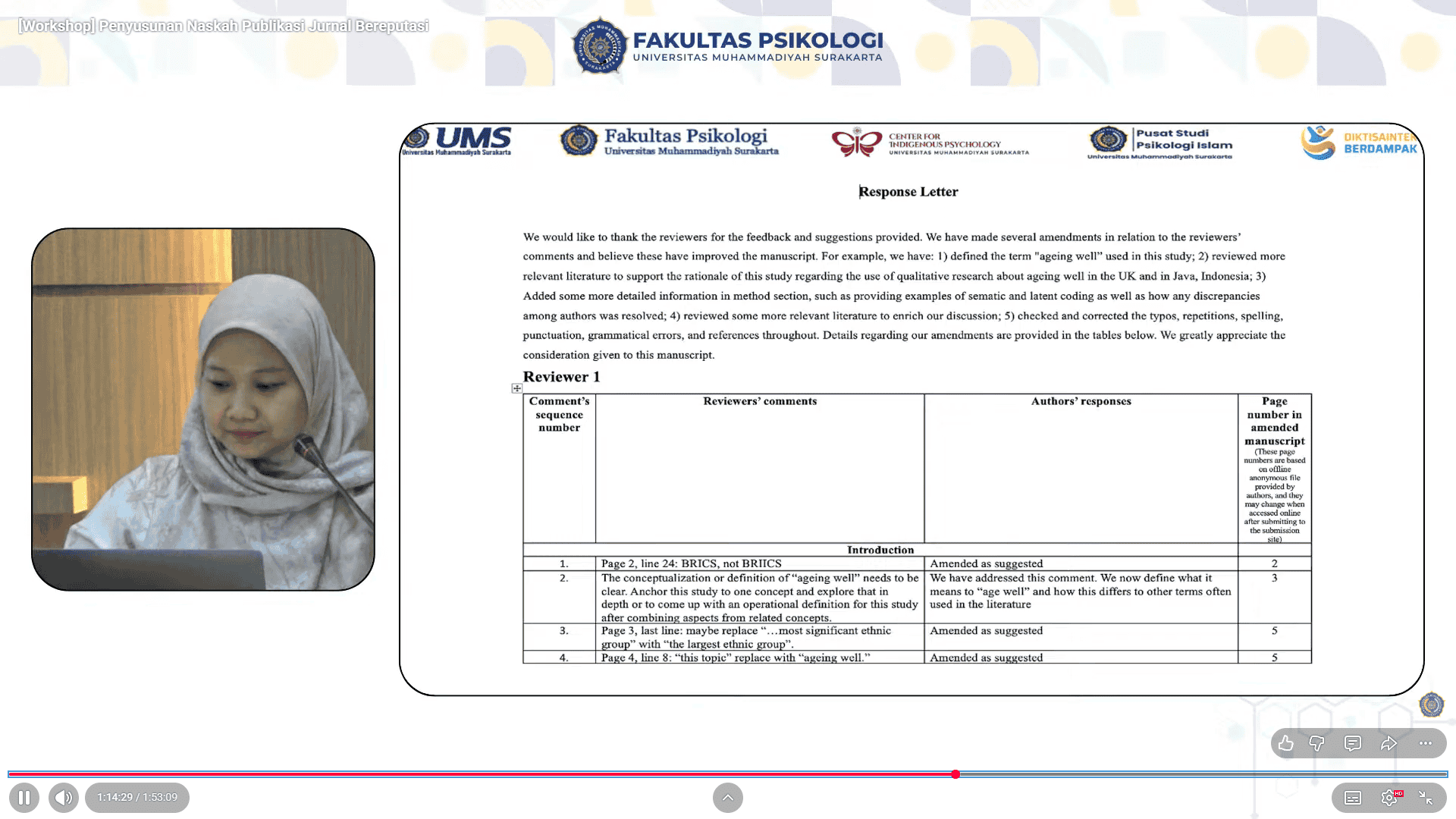
- Strategies for Handling Reviewer Comments: Researchers are advised to remain calm, organise reviewer comments into a table, address the easiest points first, accommodate the majority of feedback, and express appreciation in every response to reviewers.
- Authorship Order: In international academic convention, both the first author and the last author serve as indicators of significant contribution, with the last author position generally reflecting a senior researcher’s substantial conceptual and scholarly contribution.
Regarding the level of detail required in the method section, Dr Santi emphasised that this section is often underestimated by Indonesian researchers, when in fact it should be comparable in length to the introduction:
“We really have to be extremely detailed in the method section. If you check, the method section is almost the same length as the introduction — it can even be longer. This is because it relates to reproduction and duplication in research — we’re required to report our research in as much detail as possible, so that other researchers can adapt our study design.” — Dr Santi Sulandari
In the discussion section, Dr Santi also reminded participants not to hesitate in acknowledging the limitations of their own research, as this openness actually strengthens the credibility of a publication manuscript:
“We’re not gods, we’re not goddesses without flaws. So there will certainly be shortcomings in the research. State them in the limitations.” — Dr Santi Sulandari
Linking back to the material from the previous session, Dr Santi reiterated a reflection shared by Dr Nisa Rachma Nur Anganthi at the first-stage workshop:
“Indonesians are intelligent and creative… the research is outstanding, the ideas are outstanding, the design is amazing. So why is it still struggling to compete with published manuscripts? […] It’s simply because the way it’s written doesn’t meet the demands of the international academic world. That’s the gap that gets us rejected as soon as we submit.” — Dr Santi Sulandari
She also stressed the importance of clarity and directness in writing, particularly for Indonesian researchers, who she felt tend to be accustomed to communicating implicitly:
“Don’t assume your reviewer shares your culture. If your friend understands it, your reviewer might not. If your reviewer understands it, your paper is stronger.” — Dr Santi Sulandari
Closing the session, Dr Santi shared her personal experience of receiving dozens of sharp comments from reviewers on her first manuscript, which initially left her angry and disappointed, before she eventually learned to manage her emotions and respond in a professional, structured way:
“When you get your first review, you’re angry, dazed, confused — it all hits you at once. Keep calm. Don’t revise straight away — take a few days first, go for a walk, eat some of your favourite food, because you genuinely feel like you can’t accept how everything could be wrong. [After that] I made a table, highlighted which points were easy and which needed more time, and then prioritised the easy ones first — addressing the easiest one to the most challenging one.” — Dr Santi Sulandari
Summarising her experience, Dr Santi shared five strategic steps that participants can adopt when facing rejection from a scientific journal:
- Calm Down First: Don’t rush to respond or revise while emotions are still running high. Take a few days to calm down and accept the decision objectively.
- Manage Reviewer Feedback with a Table: When revising, create a table to break down each reviewer comment. This helps manage dozens of points in a structured way, so nothing gets missed.
- Be Accommodating yet Critical: Address as much reviewer feedback as possible to improve the manuscript’s quality. However, if there are substantive or fundamental points you disagree with, authors are entitled to defend their position professionally, with strong supporting arguments and data.
- Prioritise Tasks: Start with the easiest points first to build momentum in the revision process.
- Evaluate Scope Fit: Rejection often occurs due to a mismatch between the research focus and the journal’s scope or aims. If the research genuinely doesn’t fit, don’t hesitate to revise the manuscript and look for another journal better aligned with the topic.
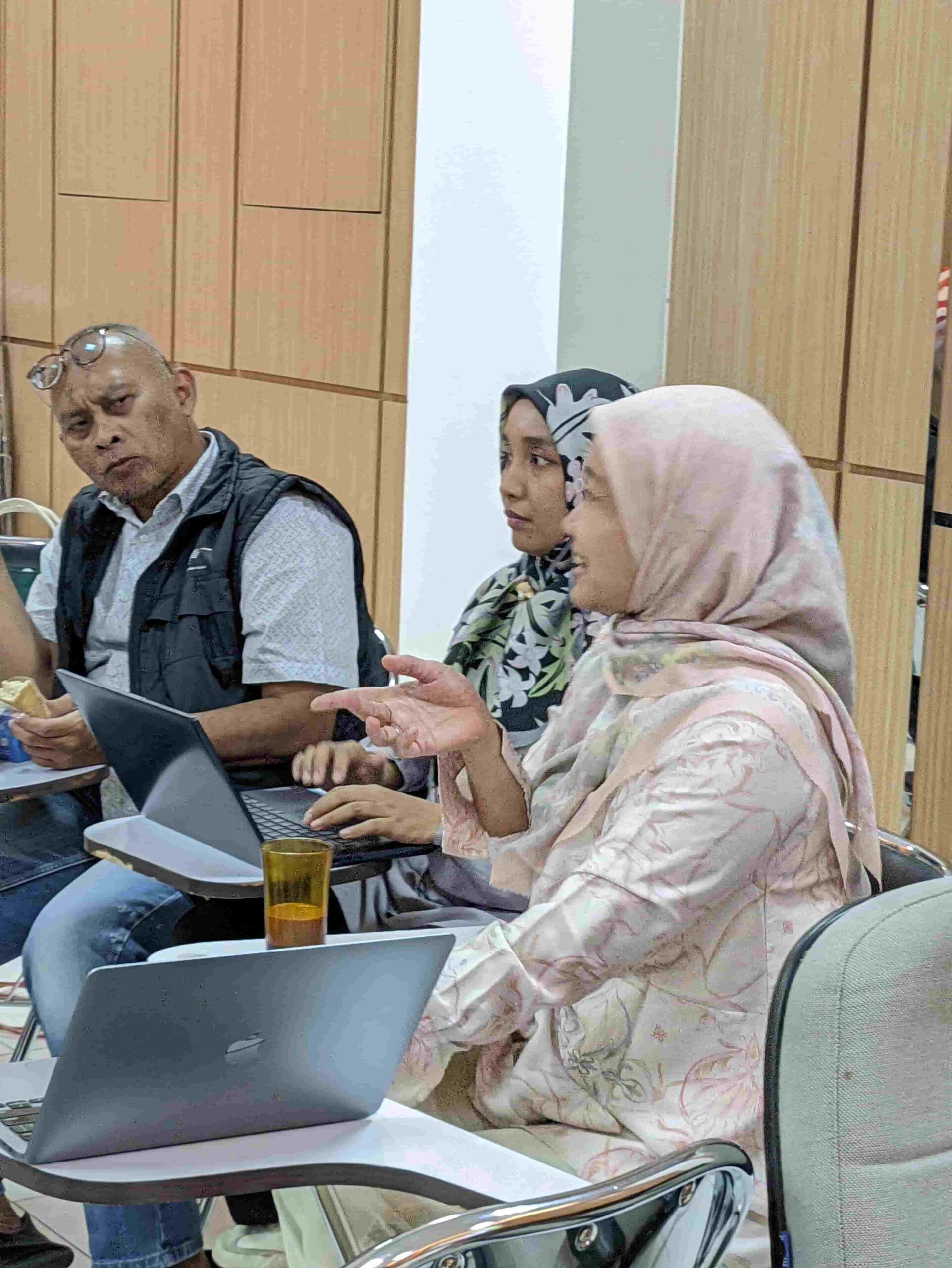
The session continued with an interactive discussion with participants. Responding to a question about how to avoid redundancy of ideas between paragraphs, Dr Santi shared her own writing habits:
“I create an outline first — for each paragraph, I decide what I want to cover: paragraph one, paragraph two, three, four, five. Only after that do I read around 30 to 50 articles to fill in those points. That’s what I do to avoid redundancy.” — Dr Santi Sulandari
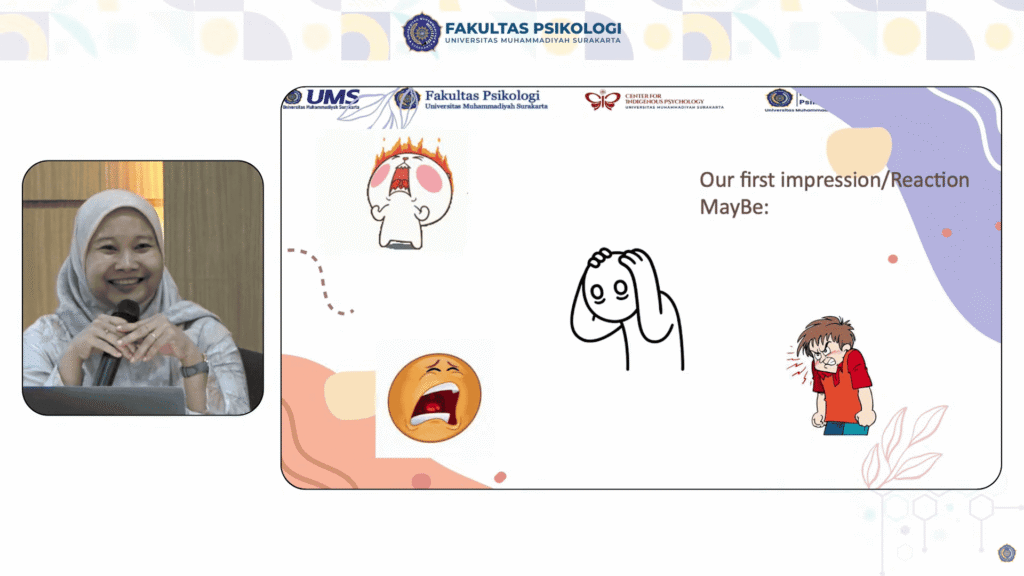
Responding to a participant’s question about the use of artificial intelligence (AI) in manuscript writing, she explained:
“In the academic world, for both publications and proposals, there’s now much greater openness to the use of AI, as long as it’s stated — there needs to be an AI statement, specifying to what extent AI was used.” — Dr Santi Sulandari
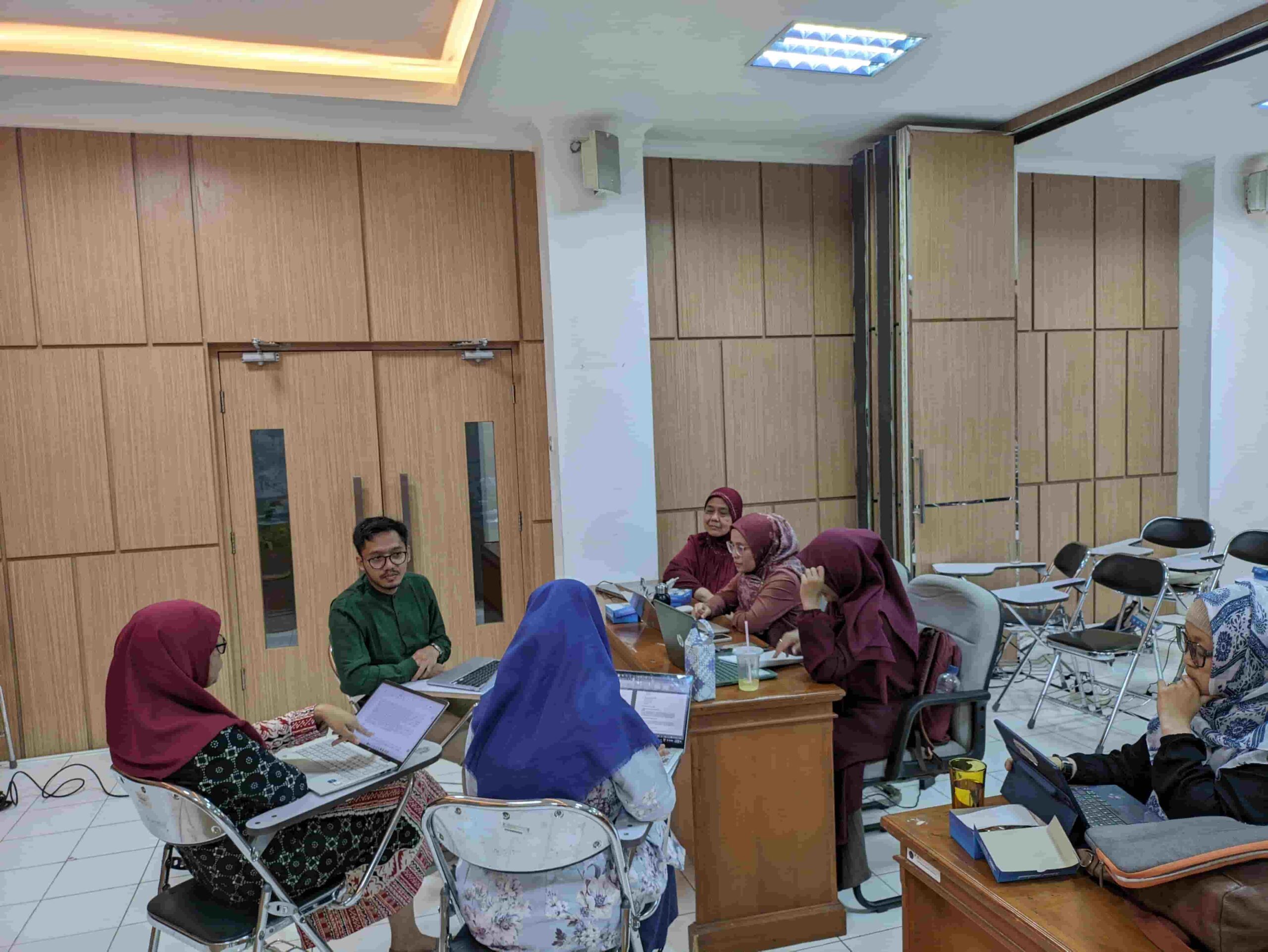
The discussion also covered the criteria for research methods likely to be accepted by reputable journals, as well as the ethics of communicating with journal editors, before participants split into small groups to discuss the results of their manuscript reviews with the UMS Faculty of Psychology’s internal review team.